 Nobikage San
 Introducing
The best ChatGPT alternatives I’d use to run an ecommerce or retail business
Discover the best ChatGPT alternatives for eCommerce in 2026. Compare AI tools for support, automation, and ecommerce operations.
ChatGPT is a strong copilot for product copy and brainstorming, and many ecommerce teams already lean on it daily for content, ideas, and quick analysis. But running an online store involves jobs that go well beyond drafting text, and the AI landscape has expanded to match.
The seven Chatgpt alternatives below cover the full ecommerce stack: autonomous AI agents that take real actions on orders, smarter generalist models for content and analysis, and AI shopping platforms that influence how customers discover and decide.
Each one solves a specific problem worth knowing about.
What are the best Chatgpt alternatives for eCommerce?
-
Minami AI: Automates post-purchase operations end to end, from returns to carrier issues
-
Claude: Handles long-context content, analysis, and coding for ecommerce teams
-
Perplexity Shopping: Surfaces brands in AI-driven product discovery and answers
-
Eesel AI: Adds an AI layer on top of existing helpdesks like Zendesk or Gorgias
-
Cohere: Powers custom enterprise AI with private deployment and grounded search
-
Ada: Runs omnichannel customer service at enterprise scale
-
Alby: Lifts Shopify product page conversion with pre-purchase Q&A
Comparison 2026
| Tool | Best for | Main strength | Pricing |
|---|---|---|---|
| Minami AI | Post-purchase ops | Autonomous order actions | Custom monthly |
| Claude | Content and analysis | 1M-token context | From $20/month |
| Perplexity Shopping | AI-driven discovery | Cited product answers | From $20/month |
| Eesel AI | Helpdesk AI layer | Plugs into Zendesk | ~$0.40/ticket |
| Cohere | Custom enterprise AI | Private deployment | From $2,500/month |
| Ada | Enterprise omnichannel | Multi-LLM reasoning | From $30K/year |
| Alby | Shopify product pages | Pre-purchase Q&A | Usage-based |
How to use ChatGPT to optimize an ecommerce website
ChatGPT works best as an assistant for the team running the store, not as the system that runs it. Give it your product data, target keywords, and a few notes on brand voice, and it will draft product descriptions, meta tags, blog posts, ad copy, email flows, and review summaries in minutes.
The human team still needs to review the output, publish it, and track whether it actually moves sales.
ChatGPT ecommerce use cases
1. Product description writing at scale
Generate consistent, on-brand copy across hundreds of SKUs from a structured prompt with features, materials, and keywords.
2. SEO content and meta tags
Draft category copy, blog posts, meta titles, meta descriptions, and FAQ blocks targeting commercial keywords and AI-search intent.
3. Customer review analysis
Paste batches of reviews and ask ChatGPT to cluster objections, surface common praise, and recommend product page edits.
4. Email and SMS campaign drafting
Write welcome flows, abandoned cart sequences, win-back emails, and post-purchase messages with multiple subject-line variants for testing.
5. Ad copy variation
Produce dozens of headline and primary-text variants for Meta, Google, and TikTok ads, ready for A/B testing.
6. Support reply drafting
Draft polished responses to common questions, refund explanations, and shipping updates that agents can edit and send.
7. Data interpretation
Paste CSV exports or GA4 reports and get plain-language summaries, formulas, or SQL queries written back.
Limitations of ChatGPT for ecommerce
1. No native store integration
ChatGPT does not connect to Shopify, BigCommerce, or Magento by default. It cannot look up an order or check live stock.
2. No action-taking
It cannot process refunds, edit orders, message carriers, or push discount codes. Every operational step still needs a human.
3. Hallucination on product details
Asked about specific SKUs, prices, or stock, it can invent confident but wrong answers, which is a real risk on customer-facing surfaces.
4. No persistent brand memory
Without custom GPTs or careful prompting, it forgets your tone, policies, and catalog between sessions.
5. Limited compliance controls
The consumer version is not built for handling customer PII at scale; SOC 2, GDPR, or HIPAA setups require API plus engineering.
6. Generic, not retail-trained
It does not know your return windows, loyalty rules, or shipping policies unless you tell it every time.
7. No post-purchase autonomy
It can draft a “where is my order” reply, but it cannot actually find the package, contact the carrier, or close the loop.
The best ChatGPT alternatives for ecommerce and retail businesses
1. Minami AI
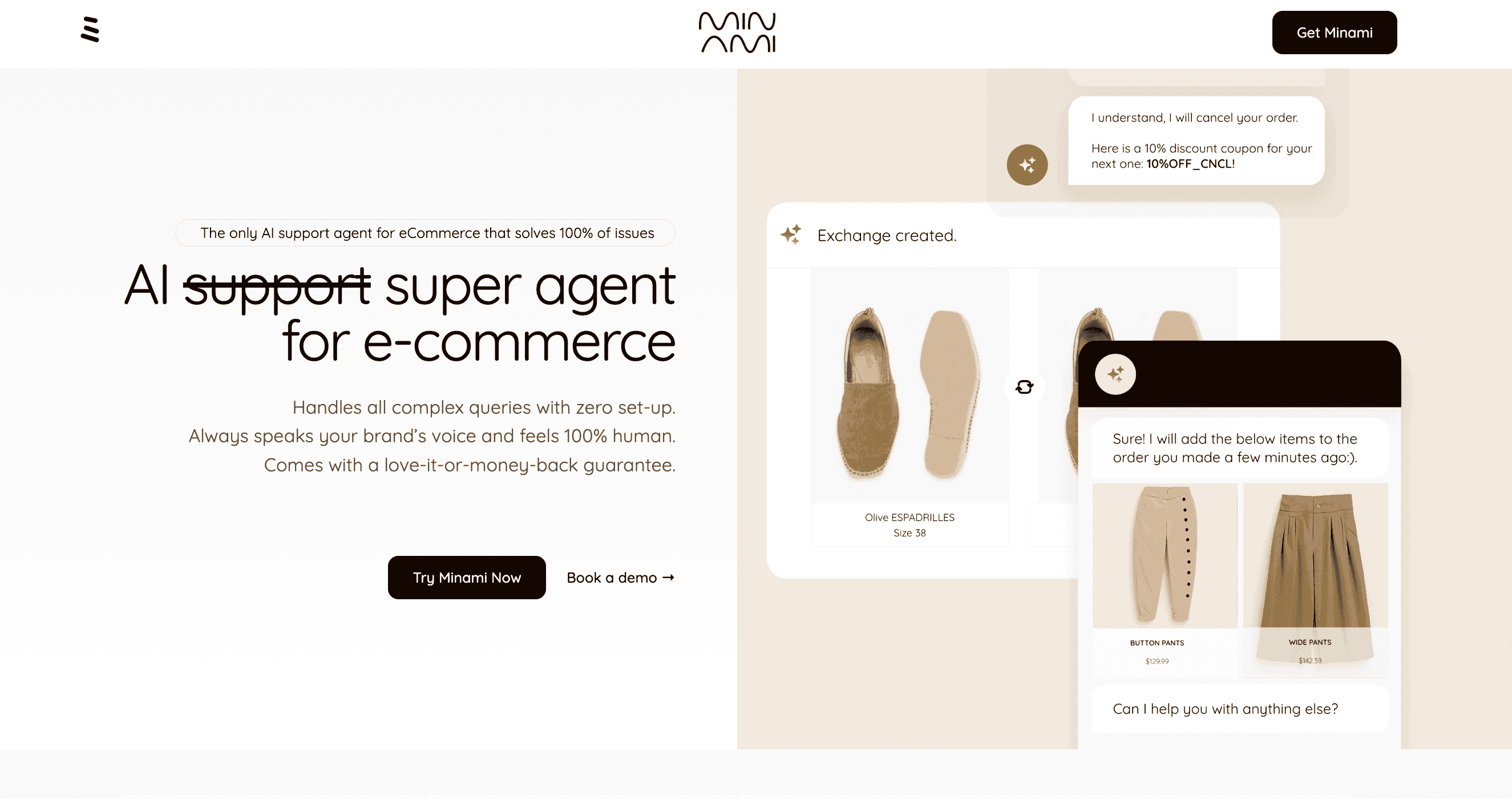
Minami AI is an autonomous AI agent built for ecommerce operations. Unlike traditional support chatbots that only generate responses, Minami connects directly to your store, logistics stack, carrier systems, and operational policies to resolve customer requests automatically from checkout to returns. It is designed for mid-sized and high-volume ecommerce brands that want to eliminate repetitive support work, reduce operational costs, improve customer experience, and recover revenue through automation.
Features
- Resolves order edits, cancellations, shipping issues, returns, exchanges, refunds, WISMO tickets, and lost-package claims end to end
- Takes real actions across ecommerce and logistics systems instead of only suggesting replies
- Communicates directly with carriers and customers to solve delivery incidents automatically
- Converts return requests into exchanges and upsell opportunities with AI-powered product recommendations
- Detects fraud patterns and applies brand-specific return and refund policies dynamically
- Adapts automatically to brand tone, workflows, and operational rules without complex training
- Deploys instantly through Shopify or lightweight integrations with no implementation project required
- Handles multilingual customer conversations across email and support channels
- Reduces manual support workload and support ticket volume through autonomous automation
Limitations
- Smaller stores with very low support volume may see less operational impact
- Pricing is custom and based on operational volume
Pricing
2. Claude
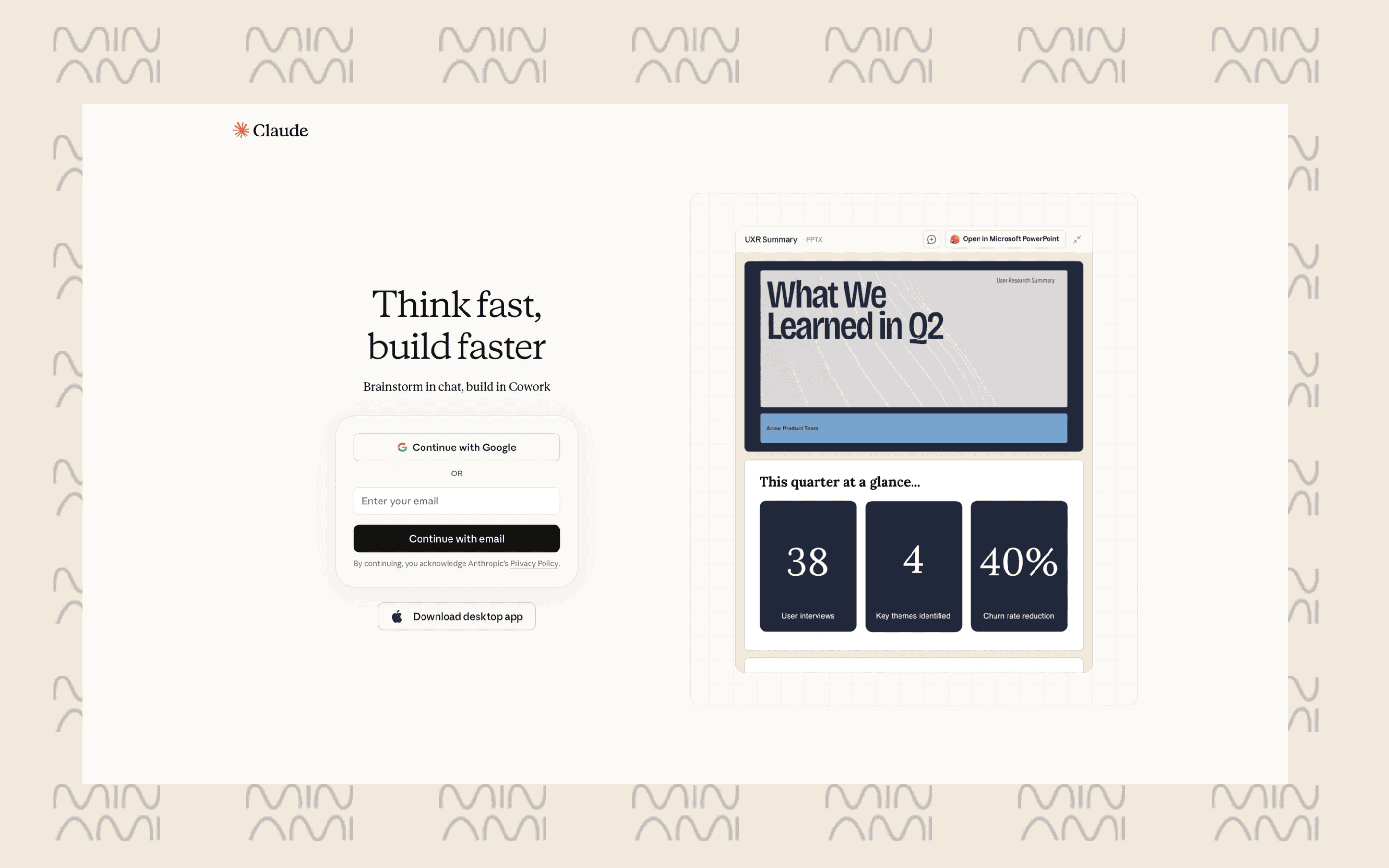
Claude is Anthropic’s family of large language models, available as a generative chat product, API, annd enterprise platform. It is the strongest direct alternative to ChatGPT for general work, with a reputation for nuanced reasoning, careful instruction following, and a very large context window. Ecommerce teams use it in the same copilot role as ChatGPT, often preferring it for long-form content, customer-sensitive drafts, and coding work.
Features
-
Context window up to roughly 1 million tokens for full-catalog analysis
-
for building scrapers, pricing monitors, and store automations
-
Available via web, desktop, mobile, API, AWS Bedrock, and Google Vertex AI
-
Enterprise plan with SSO, SCIM, audit logs, and no training on your data by default
-
Strong long-document reasoning useful for review and policy analysis
Limitations
-
No native Shopify, BigCommerce, or Magento integration out of the box
-
Cannot process refunds or take operational action on orders
-
No retail-specific intent detection or workflows
-
Production deployment requires engineering work
Pricing
-
Pro: $20/month
-
Max: from $100/month
-
Team and Enterprise: per-seat pricing plus usage at API rates
3. Perplexity Shopping
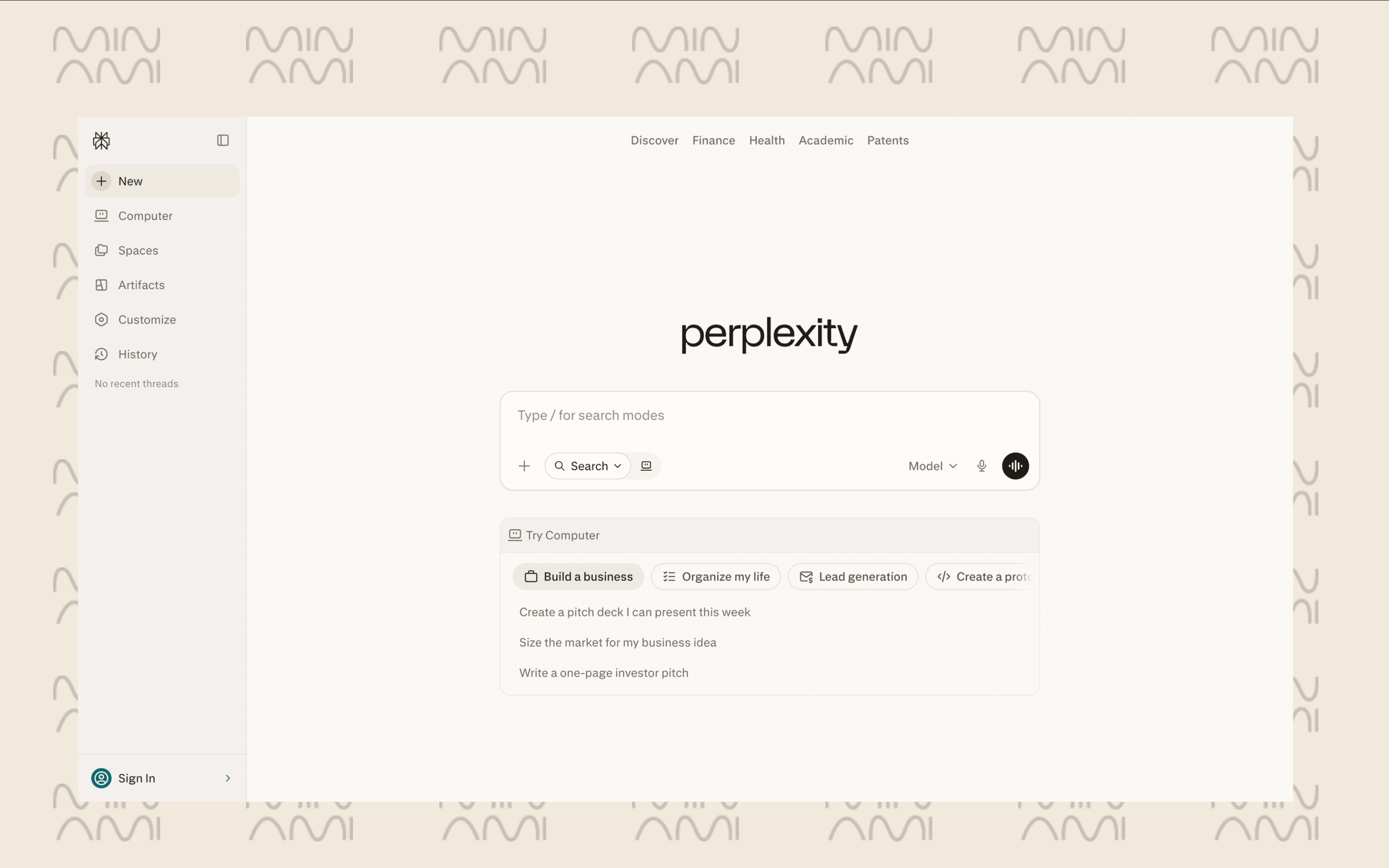
Perplexity Shopping is the commerce layer inside Perplexity, the AI answer engine. It is not a tool you install on your store. It is a shopping surface where consumers ask product questions in natural language and Perplexity returns cited recommendations, product cards, and one-click checkout for US Pro users. For ecommerce brands, the relevance is inbound: being visible in Perplexity’s answers is becoming a real discovery channel, especially in research-heavy categories.
Features
-
Conversational product discovery with cited sources
-
Product cards with images, pricing, and AI-summarized pros and cons
-
Snap to Shop visual search from an uploaded photo
-
Buy with Pro one-click checkout with free shipping for US Pro users
-
Merchant program with Shopify Catalog auto-syndication
-
No platform fee or commission for merchants at this time
Limitations
-
Discovery channel, not a tool you operate inside your store
-
Limited control over how products are presented in answers
-
Buy with Pro is currently US-only
-
Visibility depends on structured product data and strong review signals
Pricing
-
Free tier for basic use
-
Perplexity Pro: ~20/month or $200/year (unlocks Buy with Pro and advanced models)
-
Merchants: no listing fee or commission in the marketplace at this time
4. Eesel AI
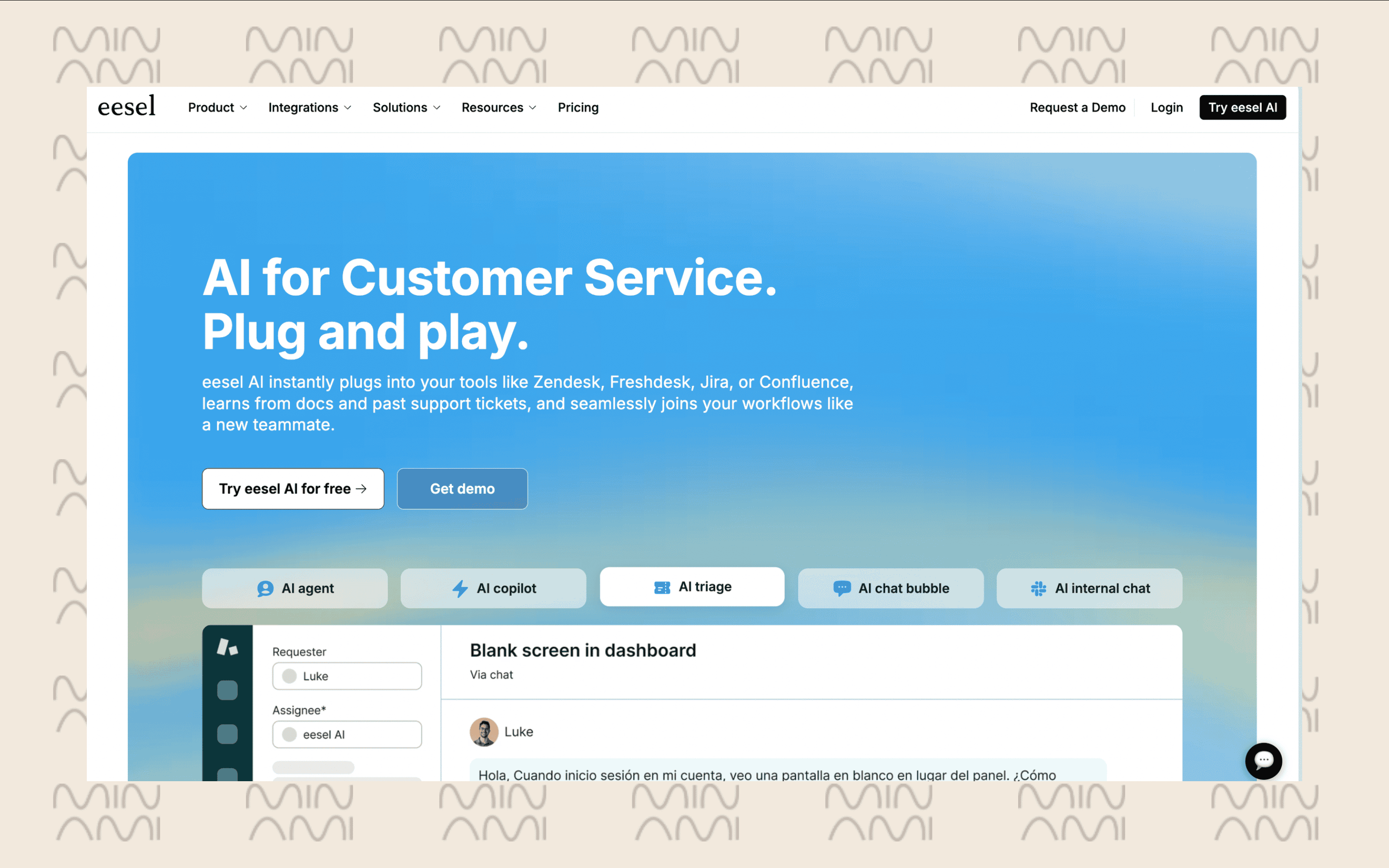
Eesel AI is an AI layer that sits on top of your existing helpdesk, learning from your past tickets, help center, and internal documents. Instead of replacing Zendesk Copilot, Intercom, Gorgias, or Freshdesk, it plugs into them and handles tier-one support automatically across email, chat, Slack, Teams, and ecommerce platforms.
Features
-
AI Agent for autonomous tier-one resolution
-
AI Copilot that drafts replies for human agents
-
AI Triage for tagging and routing tickets
-
Trains on past tickets, help center, Confluence, Notion, Google Docs, and 100+ sources
-
Bulk simulation against historical tickets before going live
-
Pay-per-task pricing introduced in 2026
Limitations
-
Text-only, no native voice or phone support
-
Adds a cost layer on top of your existing helpdesk subscription
-
Some automation features have historically been gated to higher tiers
-
WhatsApp requires external host integrations
-
Answer-and-triage layer, not a full operational agent
Pricing
-
Free trial with $50 in usage credit
-
Pay-per-task model: ~$0.40 per support ticket
-
Other task types (blog drafts, etc.) priced separately per task
-
Custom Enterprise plans with SSO, compliance, and dedicated support
5. Cohere
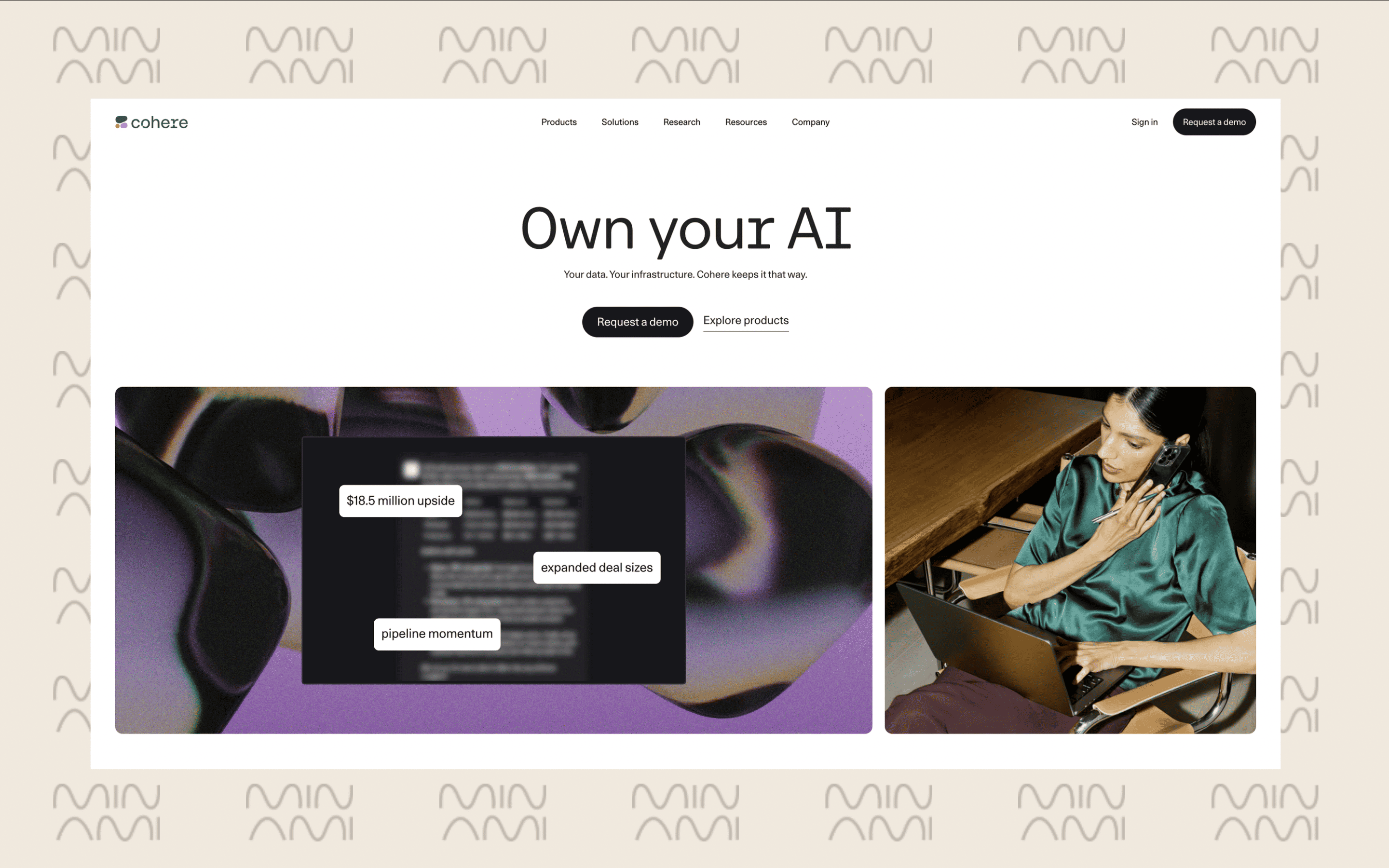
Cohere is an enterprise AI platform built around large language models, embeddings, and reranking. It is closer to a developer toolkit than a finished product. Its appeal in retail comes from data privacy, private deployment, and grounded generation, which lets you anchor answers in your own catalog and documentation without sending data to a public consumer AI.
Features
-
Command models for generative text with cited grounded answers
-
Embed models for semantic search across catalogs and content
-
Rerank models that reorder search results by relevance
-
North all-in-one enterprise AI workspace and Compass for enterprise search
-
Private and cloud-agnostic deployment, including on-premise
-
Strong multilingual coverage for international retailers
Limitations
-
Not plug-and-play; requires engineering to build the application around it
-
North and Compass pricing is not public
-
Total cost of ownership rises quickly without in-house AI talent
-
Not a ready-made ecommerce product
Pricing
-
Production API: pay-as-you-go, from $0.50 per 1M tokens depending on model
-
Model Vault (dedicated deployment): from $2,500/month per instance
-
North, Compass, and private deployments: custom enterprise pricing
6. Ada
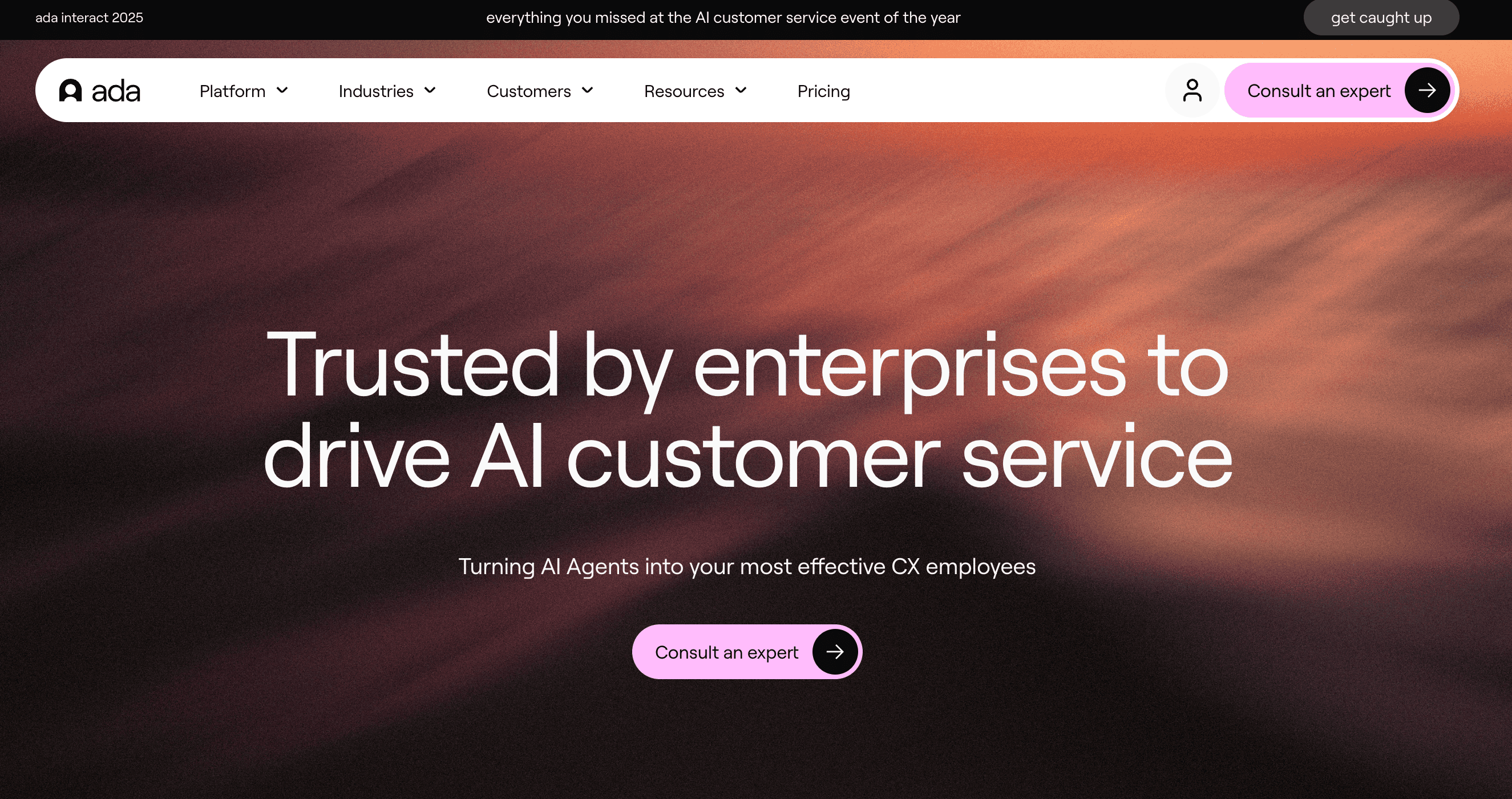
Ada is an AI agent for customer service deployed across web chat, email, voice, SMS, and messaging channels. Its Reasoning Engine combines multiple LLMs with playbooks to handle multi-step customer journeys at high volume. It is built for large retailers, financial services, and telcos that need omnichannel automation with enterprise-grade security and global language support.
Features
-
Multichannel coverage: chat, voice, email, SMS, and social
-
Reasoning Engine with multi-LLM orchestration
-
Playbooks for guided workflows like order updates and refunds
-
50+ languages with real-time translation
-
Integrations with Zendesk, Salesforce, Gorgias, Kustomer, and more
Limitations
-
Opaque pricing locked behind sales calls
-
Typical implementation takes 8–16 weeks
-
Full capability favors Zendesk or Salesforce stacks
-
Cannot natively ingest past tickets, PDFs, or many internal wikis
-
Mixed end-user reviews on third-party sites, with reports of conversation loops
Pricing
No public pricing
7. Alby
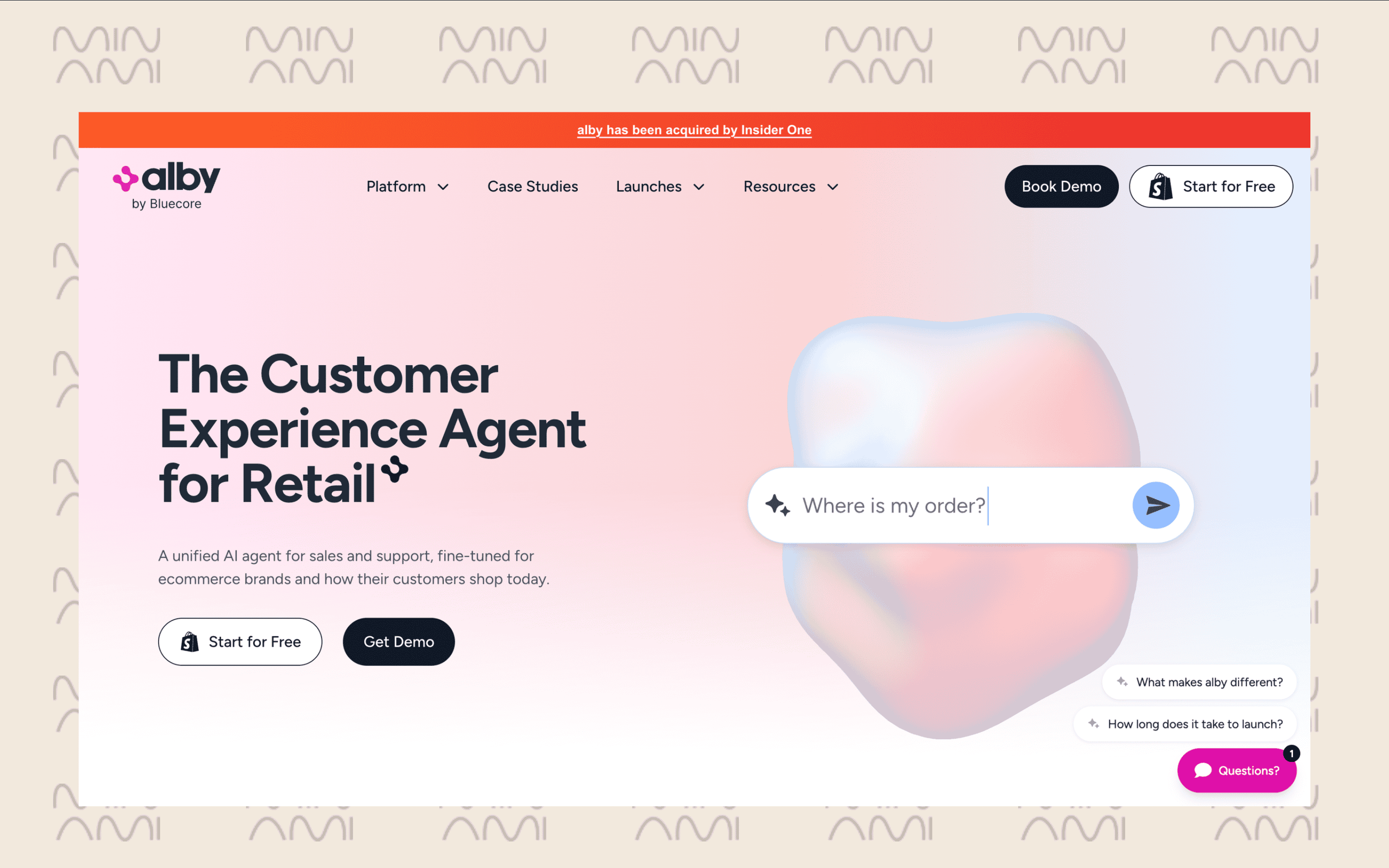
Alby is an AI shopping assistant focused on the pre-purchase side of ecommerce. Acquired by Bluecore in late 2024, it embeds directly on product pages and anticipates the questions shoppers are most likely to ask, surfacing AI-generated answers in a ChatGPT-style format before the shopper has to type. It is built primarily for Shopify merchants to lift conversion and reduce decision friction.
Features
-
Generative Q&A pre-generated for every product in the catalog
-
Predictive prompts that surface the questions most likely to convert
-
Real-time Shopify catalog sync
-
Insights dashboard exposing what shoppers are actually asking
-
Customizable rules and styling to match brand voice
-
Fast install via the Shopify App Store
Limitations
-
Focused on product page and pre-purchase only
-
Does not handle returns, exchanges, or carrier escalations
-
Desktop performance historically stronger than mobile
-
Pricing not transparent until after install or direct contact
Pricing
No public pricing, but enterprise plans could average around $30K/year.
How to choose the best ChatGPT alternative for ecommerce
There is no single best ChatGPT alternative for ecommerce. The right pick depends on which part of the stack you are trying to improve and how you want to measure success.`
Map the use case to a clear business metric. Content and SEO move organic traffic. AI-driven discovery moves visibility. Product page optimization moves conversion rate. Customer service automation moves contact rate, cost per ticket, and retention. Trying to solve all of them with one model is the most common mistake.`
Then weigh four filters: integration depth, pricing model, implementation time, and the metric the business already cares about.`
For most ecommerce brands, the highest-impact place to start is post-purchase operations. Support volume is the most predictable cost in the business and the part where ChatGPT cannot help at all. Minami AI is built specifically for that gap: an autonomous AI agent that connects to the store and the carriers, resolves order issues, returns, exchanges, and lost packages end to end, and turns support from a cost center into a retention and revenue lever.`
Frequently Asked Questions
Have more questions? Fill this form and our team will be in touch to answer them!
-
What is the best ChatGPT alternative for ecommerce?
- There is no single best ChatGPT alternative for ecommerce because each tool solves a different problem. For autonomous customer service and post-purchase operations, Minami AI is the most operationally capable, taking real actions on orders, returns, and carrier issues rather than only drafting replies. Other categories of alternatives focus on content generation, pre-purchase conversion, or AI-driven product discovery. The right choice depends on whether the goal is producing content, automating support, lifting conversion, or appearing in AI search results..
-
Can ChatGPT run an ecommerce store on its own?
- No. ChatGPT cannot run an ecommerce store on its own. It does not connect natively to Shopify, BigCommerce, or Magento, cannot look up live order data, cannot process refunds or returns, and cannot communicate with carriers. ChatGPT is a writing and reasoning assistant, not an operational system. Real operational tasks such as updating orders, issuing refunds, or resolving delivery incidents require a specialized AI agent built for ecommerce, like Minami AI, that connects directly to the store and acts on customer issues end to end.
-
What is the difference between a ChatGPT-style chatbot and an AI agent for ecommerce?
- A ChatGPT-style chatbot generates conversational responses but does not take action on the store, while an AI agent is built to execute real operational tasks autonomously. A chatbot can draft a reply to a "where is my order" question; an AI agent like Minami AI can actually look up the order, contact the carrier, resolve the delivery incident, and follow up with the customer without human intervention.
-
How much do ChatGPT alternatives for ecommerce cost?
- Pricing ranges from free to six figures per year, depending on the category. General-purpose AI assistants and AI shopping platforms typically start around $20 per month. Helpdesk-layer tools often use pay-per-resolved-ticket pricing, from a few cents to a few dollars per ticket. Enterprise customer service platforms are usually quoted by sales and commonly start at $30,000 per year or more.
Get Started
Minami is available with zero setup
No integrations. No workflows. No dev time. Just power up Minami and let your AI agent cut refunds, manual labor, and losses