 Nobikage San
 Introducing
After testing dozens of AI support tools, here are the best Intercom (Fin) alternatives for ecommerce
A breakdown of the top FIN alternatives built for real ecommerce needs, comparing automation depth, integration quality, pricing models, and how each tool handles day-to-day support tasks.
Intercom’s FIN AI agent gets a lot of attention in the customer service world. It looks good, it’s promoted well, and for general SaaS companies, it usually does the job.
But if you run an ecommerce brand, things can get messy fast.
Your support team deals with real order problems every day: edits, wrong addresses, split shipments, exchanges, refunds, delays, lost packages, and customers who want updates right now. FIN can explain what’s happening, but it can’t step in and fix these issues for you. And when that work builds up, you end up back in the inbox doing everything by hand.
That’s why so many stores look for tools made for ecommerce instead of one built for every industry at once.
So let’s walk through the best alternatives to FIN for ecommerce brands like yours that want real, end-to-end automation—not just conversation.
How we chose these alternatives to Intercom
We only looked at what really matters in ecommerce: order changes, returns, exchanges, delivery problems, product questions, and automation that actually does the work. Everything on this list earned its spot because it solves real ecommerce problems.
What is Intercom Fin?
Fin is Intercom’s AI agent. It reads your help center, answers customer questions, and handles basic support tasks without a human jumping in. It’s fast, helpful, but not built for the heavy ecommerce stuff like returns, exchanges, or order changes.
Key benefits of Intercom Fin for Ecommerce
Fin can take care of common questions so your team doesn’t get stuck answering the same things all day. It pulls info from your help center, gives fast replies, and works well for simple order updates or basic troubleshooting. It’s helpful for reducing noise, but it’s not built to execute complex ecommerce workflows.
Best alternatives to Fin, Intercom’s AI Agent
1. Minami AI
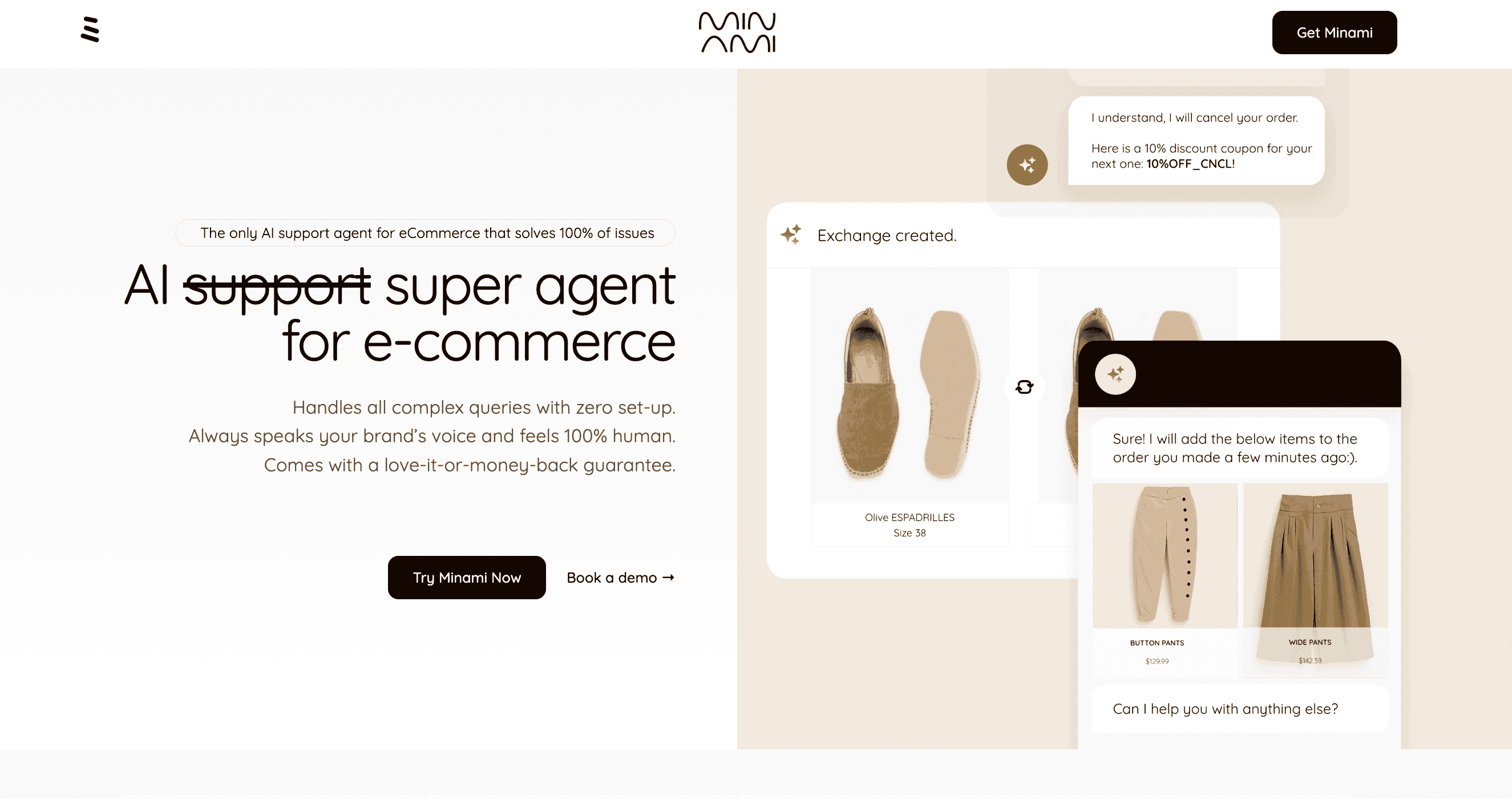
Minami is an AI agent for ecommerce designed to do more than answer questions—it takes action directly in your store.
Key features
-
Once you install the agent, Minami handles almost every post-purchase problem automatically, without human intervention
-
Processes returns, exchanges, and refunds based on your store policies
-
Once you install the agent, Minami handles almost every post-purchase problem automatically, without human intervention
-
Edits orders (size changes, add-ons, address corrections) mid-fulfillment
-
Resolves shipping and delivery issues directly with logistics provider
-
Converts refund requests into exchanges or store credit within the same conversation
-
Supports any language and maintains brand voice across all interactions
Pricing
Custom pricing based on volume and use case.
Why it could replace FIN
Minami is built so an ecommerce brand can replace about 90% of an agent’s daily workload with one AI agent. It doesn’t just read your help center like Fin. It connects to your store, understands your policies, and handles the messy day-to-day work your team normally has to do by hand.
Just an AI agent designed by ecommerce people to fix real ecommerce problems.
2. Gorgias
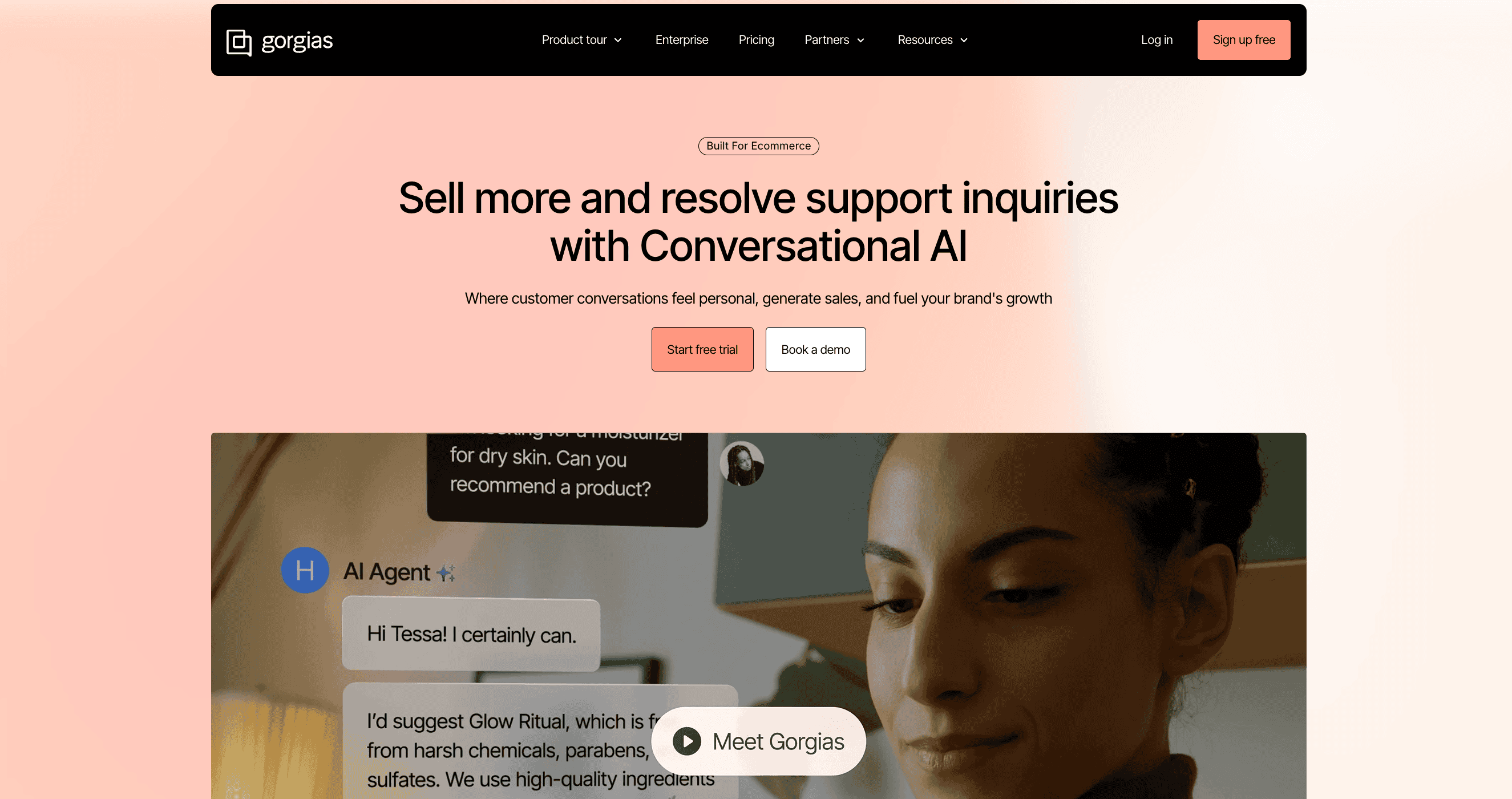
Gorgias has long been the go-to helpdesk for Shopify merchants. With the launch of AI Agent 2.0 in July 2025, it now offers serious automation capabilities.
Key features
-
Deep Shopify integration with real-time access to order data, product info, and customer history
-
Processes order edits, refunds, and returns via AfterShip and Cin7 integrations
-
AI shopping assistant for real-time product recommendations during live chat
-
Image understanding—customers can upload photos of damaged items for instant suppor
-
Omnichannel support across email, chat, WhatsApp, and SMS
Pricing
| Plan | Monthly Price | Included Tickets |
|---|---|---|
| Starter | $10 | 50 |
| Basic | $60 | 300 |
| Pro | $360 | 2,000 |
| Advanced | $900 | 5,000 |
Learn more about Gorgias AI Agent pricing.
Why It could replace FIN
For Shopify-first brands, Gorgias offers native integrations that FIN can’t match without extensive API work. The ticket-based pricing is more predictable than per-resolution fees—though costs can still climb quickly during busy seasons.
3. Yuma AI
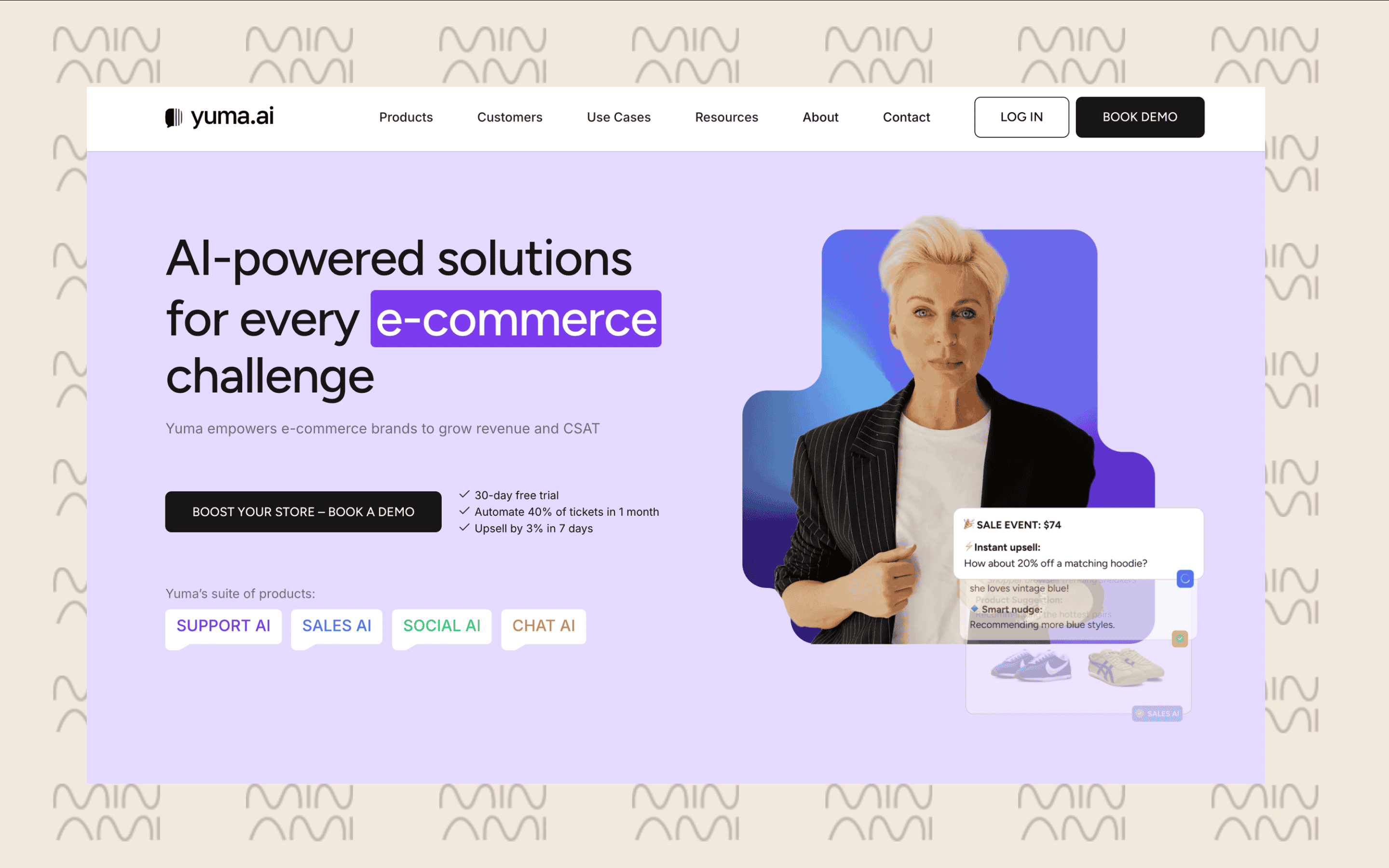
Yuma focuses exclusively on ecommerce customer support automation, particularly for Shopify merchants using Gorgias or Zendesk.
Key features
-
Automates WISMO queries, returns, refunds, and product exchanges
-
Success-based pricing—you only pay for tickets fully resolved by AI
-
Real-time Shopify integration for live order data
-
Customizable brand voice per channel
-
Gradual rollout features for controlled deployment
Pricing
| Plan | Monthly Price |
|---|---|
| 500 resolutions | $350 |
| 1,000 resolutions | $650 |
| 1,500 resolutions | $900 |
| Enterprise | Custom |
Learn more about Yuma AI pricing.
Why It could replace FIN
Yuma’s pricing model aligns with outcomes—you don’t pay for escalated tickets. Compared to FIN’s $0.99 per resolution that applies regardless of complexity,
4. Siena AI
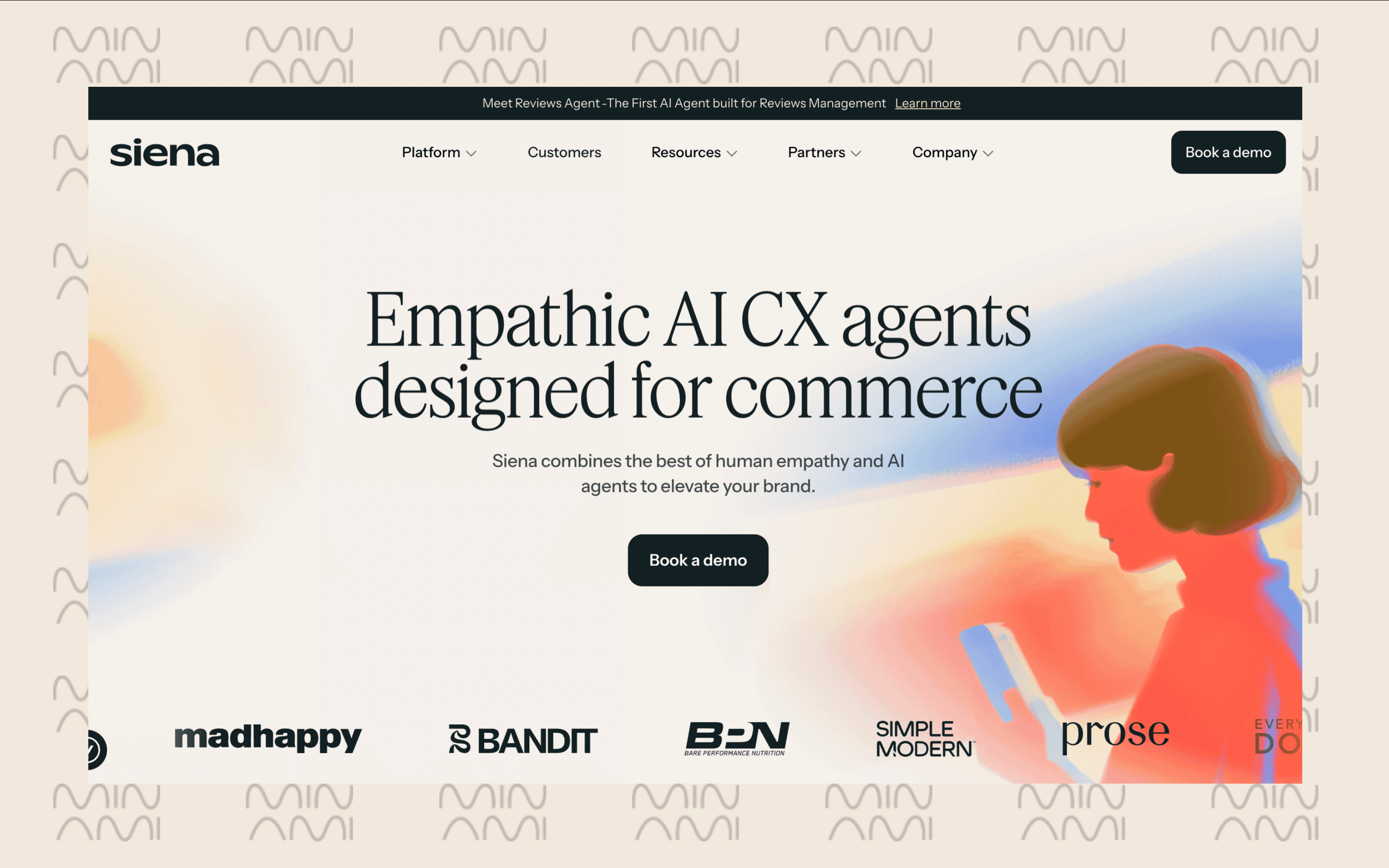
Siena combines emotional intelligence with practical automation, positioning itself as an “empathic” AI agent for commerce brands.
Key features
-
Handles order tracking, address updates, returns, refunds, and replacements in single flows
-
AI personas maintain consistent brand voice across all channels
-
Subscription management automation (skip, pause, swap) to reduce churn
-
Multi-task handling with cognitive reasoning engine
Pricing
-
Platform fee: $750/month
-
Automation pack: $0.90 per automated ticket
Why it could replace FIN
Siena excels at complex workflows that require multiple actions within a single conversation—updating an address and sending a replacement in one thread.
5. Tidio Lyro
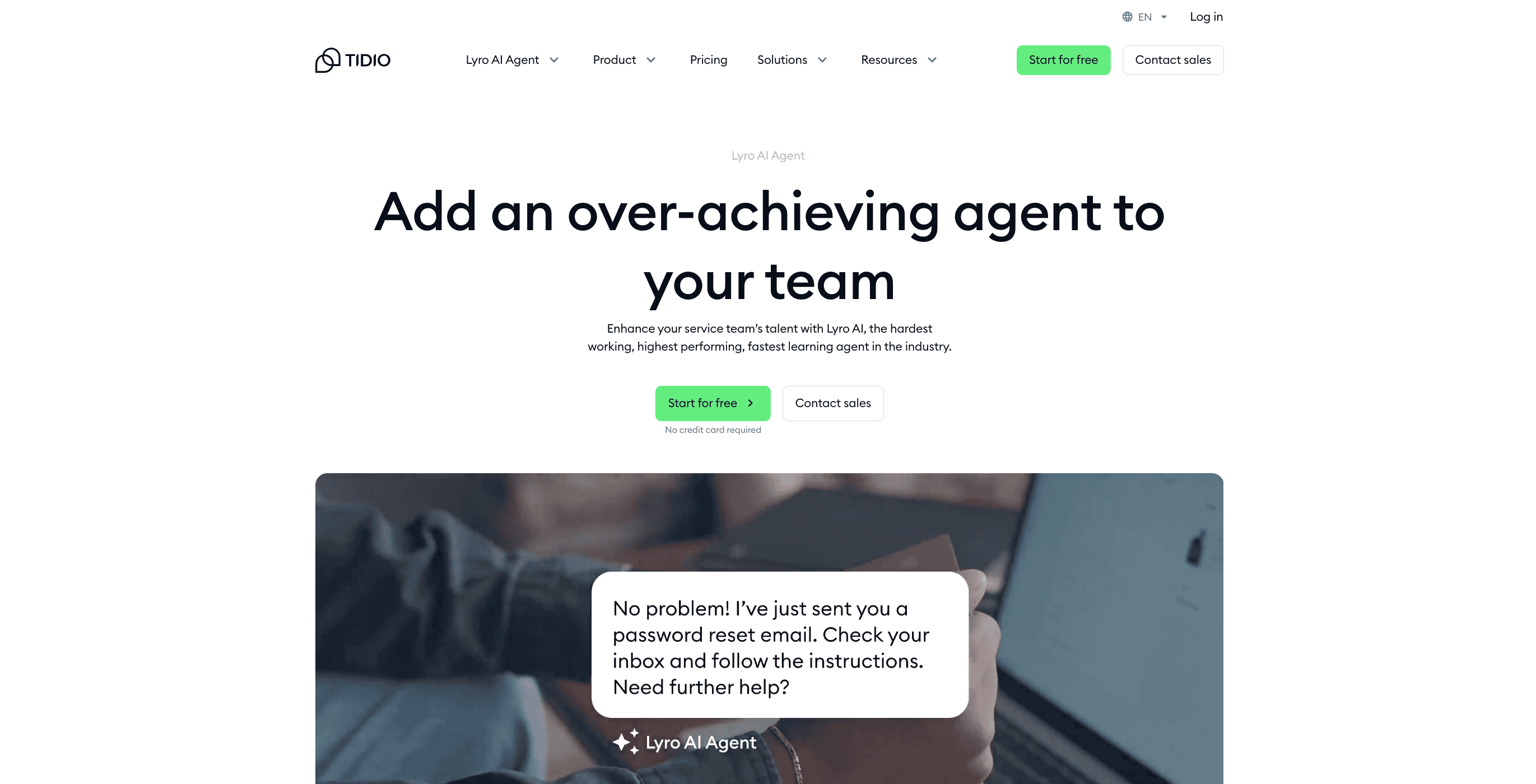
Tidio’s Lyro AI chatbot offers accessible automation for small to mid-sized ecommerce businesses.
Key features
-
Trains on your website, help center, and documents
-
Automates order status checks and basic inquiries
-
Multi-channel support across website, Facebook, Instagram, and WhatsApp
-
Free tier includes 50 AI conversations per month
Pricing
| Plan | Monthly Price | AI Conversations |
|---|---|---|
| Free | $0 | 50 |
| Starter | $29 | 50 |
| Lyro Add-on | $39+ | 50+ (scales with volume) |
200 conversations costs approximately $140/month.
Why it could replace FIN
For brands with lower ticket volumes, Tidio offers a gentler entry point than FIN’s ecosystem. The free tier lets you test AI automation without commitment, and the no-code builder makes setup accessible for lean teams.
6. Ada
Ada CX targets large-scale operations needing sophisticated automation across multiple languages and channels,
Key features
-
No-code chatbot builder with drag-and-drop flows
-
Multilingual support for 100+ languages
-
Real-time API integrations for fetching order data and processing actions
-
Proactive chat triggers based on cart abandonment and user behavior
-
Used by Shopify, Zoom, and AirAsia
Pricing
-
Starts around $30,000/year minimum
-
Median cost approximately $70,000/year
-
Enterprise implementations can exceed $300,000/year
Why It could replace FIN
For enterprise ecommerce brands with massive ticket volumes, Ada offers scalability that smaller platforms can’t match.
7. eesel AI
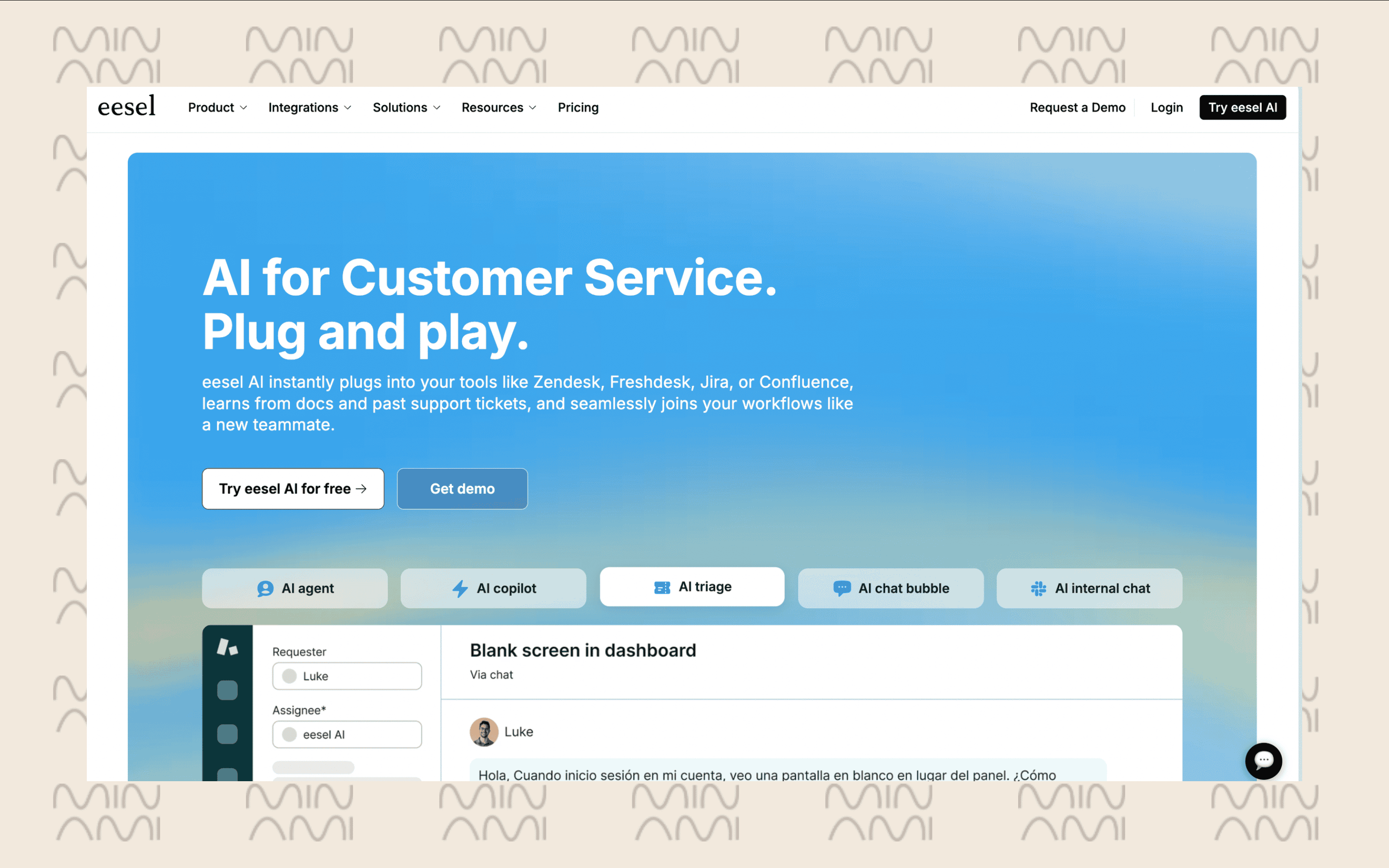
eesel AI offers flat-rate pricing and works on top of existing helpdesks like Zendesk, Freshdesk, or Intercom.
Key features
-
Train on websites, documents, past tickets, and multiple knowledge sources[
-
AI Agent and Copilot included in plans
-
Simulation mode to test AI performance on historical tickets before going live
-
Works across multiple helpdesk platforms without requiring migration[
-
Setup in minutes without mandatory demos
Pricing
| Plan | Monthly Price | Interactions |
|---|---|---|
| Team | $239 | 1,000 |
| Business | $639 | 3,000 |
| Custom | Contact sales | Unlimited |
Why it could replace FIN
eesel AI’s flat-rate model eliminates the budget unpredictability of FIN’s per-resolution pricing. Teams that want to keep their existing helpdesk while adding AI capabilities find this particularly appealing—no “rip and replace” required.
Which FIN alternative fits your brand?
It really depends on what you’re trying to achieve with AI. If you’re still testing the waters and prefer something light, Tidio Lyro could work as a simple starting point.
If your team cares more about predictable monthly costs, then Yuma AI or eesel AI may make more sense, since their pricing stays stable without extra charges per resolution. Larger brands dealing with high ticket volume might lean toward Ada, especially if multilingual support is a priority.
And if your goal is to move beyond conversation and actually automate operational work, Minami becomes the logical choice. It’s the only platform that can take care of returns, exchanges, order edits, refunds, and even shipping fixes directly in the chat, without waiting for an agent to approve anything. Real issues get resolved right there, instead of bouncing into a queue.
Frequently Asked Questions
Have more questions? Fill this form and our team will be in touch to answer them!
-
What is Intercom Fin used for?
- Fin is Intercom’s AI agent built to answer questions using your help center. It’s good for basic support, but it can’t handle the real operational tasks ecommerce teams deal with every day.
-
What’s the biggest limitation of Fin for ecommerce?
- Usually within days. You don’t need training or setup — once connected to your store, Minami starts resolving real tickets instantly and learns from every interaction.
Get Started
Minami is available with zero setup
No integrations. No workflows. No dev time. Just power up Minami and let your AI agent cut refunds, manual labor, and losses