On this page (6)
Are you looking for the best AI tools for eCommerce but feeling overwhelmed by the number of software options available?
The best eCommerce AI tools help brands automate repetitive work, improve customer experience, and scale operations more efficiently. From handling customer support autonomously to generating content at scale and keeping shoppers engaged throughout the buying journey, AI is rapidly becoming part of modern eCommerce infrastructure.
I evaluated 7 of the top AI tools for eCommerce to find the best options for different business workflows and use cases.
What are the top use cases for AI in eCommerce tools?
AI tools completely transform your online store by handling critical use cases like instant content creation, automated SEO, and hyper-personalized shopping experiences. You eliminate major operational bottlenecks by generating high-converting marketing copy and staging professional product photography in just seconds.
Best of all, modern platforms now deploy autonomous agents that fully automate your logistics and customer support to resolve complex backend issues without your intervention.
What are the best AI tools for ecommerce brands?
-
Minami AI — Best for growing stores needing autonomous backend support, returns, and shipping operations
-
Jasper AI — Best for high-volume copywriting, ad campaigns, and brand voice consistency
-
Klaviyo — Best for predictive analytics, personalized email marketing, and SMS retention
-
Photoroom — Best for rapid, studio-quality AI product staging and visual asset generation
-
Nosto — Best for real-time on-site personalization and dynamic product recommendations
-
Surfer SEO — Best for semantic search optimization and driving organic search engine traffic
-
Tidio — Best for early-stage stores needing simple live chat paired with a basic AI assistant
AI tools for ecommerce businesses comparison
1. Minami AI
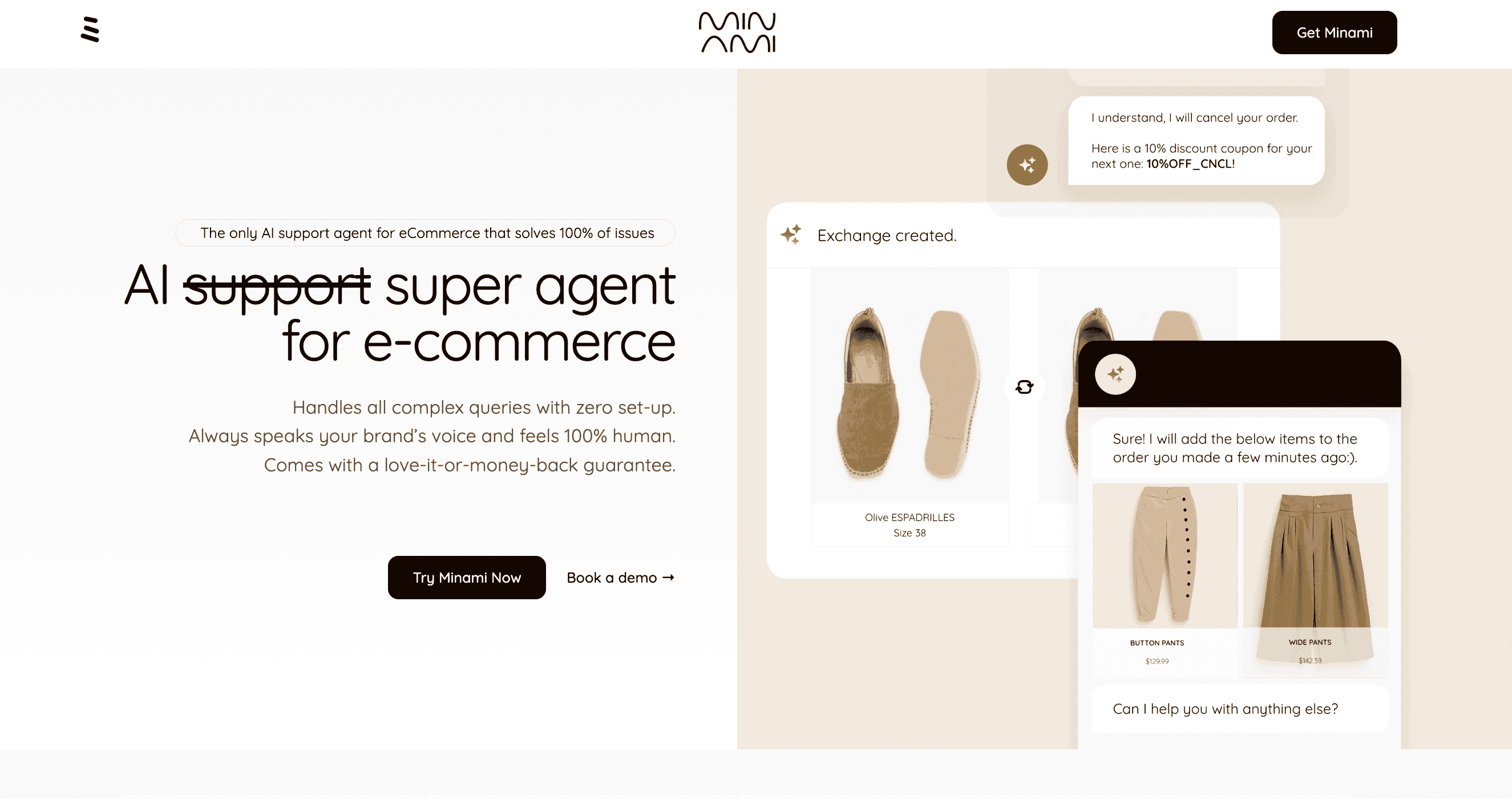
Minami AI is an autonomous AI agent platform built for ecommerce operations. Instead of acting like a traditional chatbot, Minami connects directly to ecommerce, logistics, and post-purchase systems to resolve customer and operational issues autonomously.
Can automate up to 90% of customer support operations, helping ecommerce teams reduce operational costs significantly
Key features
- End to end AI ecommerce orchestration
- Autonomous order edits, cancellations, and address updates
- AI returns and exchanges management with refund reduction flows
- Delivery incident resolution across carrier networks
- AI agent for ecommerce customer service and WISMO automation
- AI agent for ecommerce logistics with automated carrier communication
- Post-purchase upsells and exchange flows focused on revenue recovery
Pricing
| Plan | Monthly Price | Guarantee |
|---|---|---|
| Enterprise | Custom pricing | Performance-based automation for support, returns, and logistics operations |
Best for: High-volume D2C brands and enterprise ecommerce merchants looking to automate complex customer support, shipping, and reverse logistics issues without manual intervention.
Pros
-
Executes actual operations (canceling orders, updating tracking data) rather than just replying
-
Fast setup with native Shopify app configuration
-
Built-in revenue protection that proactively steers refunds toward exchanges
Cons
- No public self-serve pricing
- Focused on operational ecommerce automation rather than SEO, traditional marketing, or content creation workflows
👉 The best help desk chatbots for enterprise ecommerce
2. Jasper AI

Jasper AI is a leading AI writing and marketing platform built for teams and enterprise content creators. With powerful brand voice customization and integration capabilities, it streamlines high-volume marketing workflows across blogs, social media, and ad copy.
Key features
-
Deep brand-voice memory to maintain tone consistency across all channels
-
50+ specialized pre-built ecommerce templates (Amazon bullet points, Shopify descriptions)
-
Dynamic campaign builder that creates multi-asset rollouts from a single brief
-
No-code AI App Builder (Studio) for systematic content automation
-
Built-in integrations with Surfer SEO, Grammarly, and plagiarism checkers
-
Advanced team collaboration tools with role-based permissions
Pricing
| Plan | Monthly Price | Brand Voices | Users |
|---|---|---|---|
| Pro | $69 | 2 | 1 seat |
| Business | Custom | Unlimited | Unlimited |
Best for: Marketing teams and multi-brand agencies that need to produce high volumes of consistent, brand-aligned content across multiple ad networks and sites.
Pros
-
Exceptional brand voice training and tone replication
-
Highly stable user interface optimized for professional writing workflows
-
Seamless integration to streamline SEO content generation
Cons
-
Pro plan starts as a strict single-seat workspace
-
Built-in SEO engine requires a separate Surfer subscription
-
Brand control caps force scaling teams into custom pricing quickly
3. Klaviyo
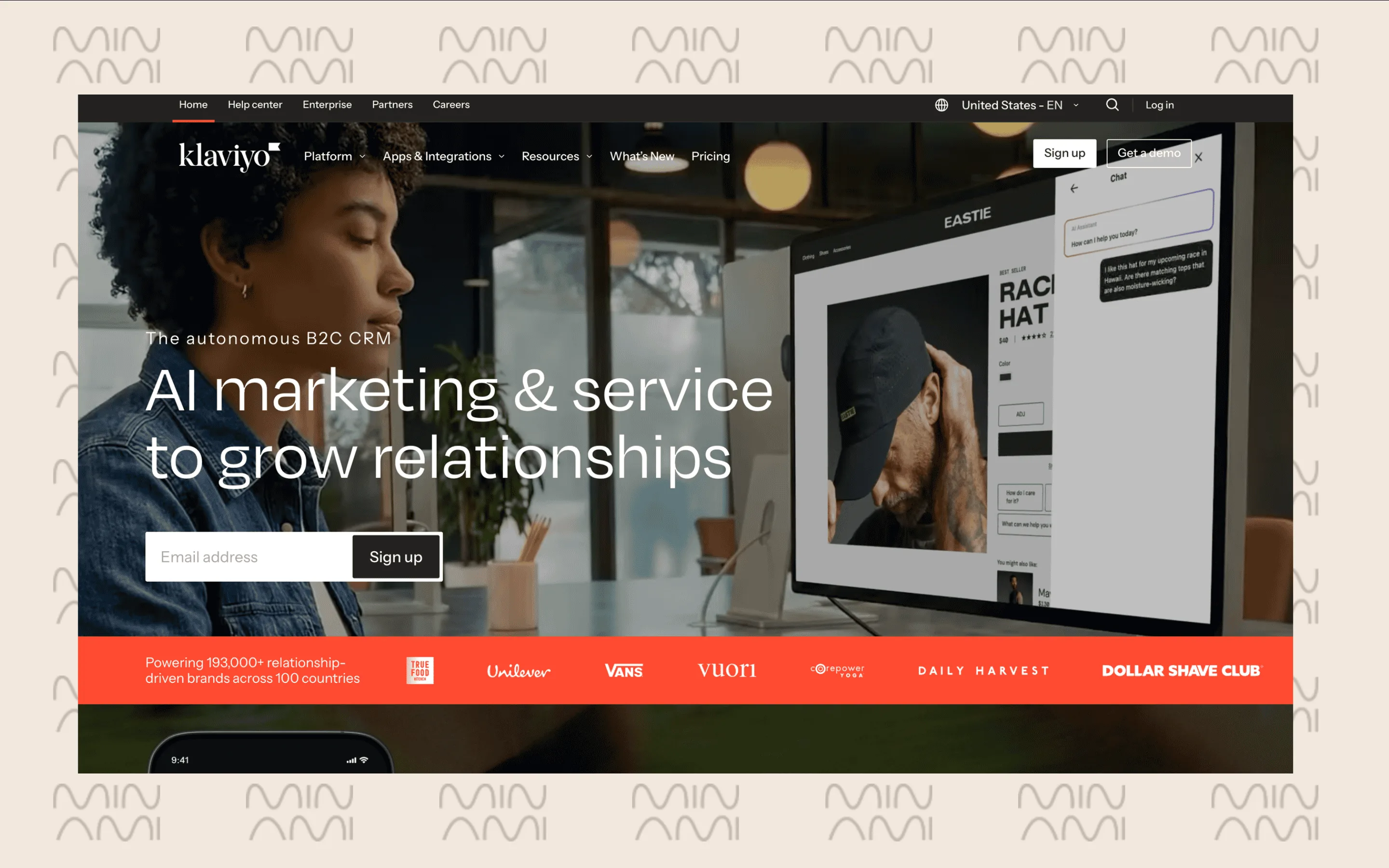
Klaviyo is the industry-standard data and marketing automation platform for ecommerce businesses leveraging machine learning. Powering over 100,000 brands, it helps retailers maximize customer lifetime value through highly targeted email, SMS, and web campaigns.
Key features
-
Predictive analytics powered by K:AI for lifetime value and churn forecasting
-
Advanced segmentation engines based on real-time browsing and transaction history
-
Multi-channel automated flow builder combining Email, SMS, and WhatsApp
-
Built-in AI-driven review collection with automatic headline suggestions
-
On-site personalization pop-ups and custom customer hub forms
-
Deep integrations with over 350 ecommerce platforms and tech tools
Pricing
| Plan | Monthly Price | Active Profiles | Monthly Email Sends |
|---|---|---|---|
| $20 | 251 - 500 | 5,000 | |
| Email + SMS | $35 | 251 - 500 | 5,000 + 1,250 SMS credits |
| Mid-Market | $150 | 10,000 | 100,000 |
Best for: Ecommerce brands looking to build advanced retention loops through deeply integrated customer data, email, and mobile messaging.
Pros
-
Best-in-class predictive data models and segmentation granularity
-
Genuinely free entry plan with full feature testing capabilities
-
Massive ecosystem of native app integrations
Cons
-
Pricing scales up aggressively as contact list sizes grow
-
List hygiene becomes a mandatory expense to avoid forced upgrades
-
Advanced multi-touch marketing analytics require additional paid add-ons
👉 The best agentic AI solutions for enterprise eCommerce in the US market
4. Photoroom

Photoroom is an AI-powered visual editing platform downloaded over 150 million times worldwide. It enables resellers and online brands to generate high-end, studio-grade product imagery directly from mobile devices or desktop browsers.
Key features
-
High-precision background removal and intelligent object shadows
-
AI Product Staging that generates realistic studio backgrounds in seconds
-
Batch processing tools allowing up to 5,000 exports per month
-
Virtual Model staging and Ghost Mannequin garment adjustments
-
Direct Shopify integration to push edited assets straight to product listings
-
Shared team spaces with synced design libraries and brand kits
Pricing
| Plan | Monthly Price | Batch Exports / Mo | AI Feature Access |
|---|---|---|---|
| Pro | $9.99 | 500 | Advanced AI Tools |
| Max | $26.99 | 1,500 | Better AI Models + 3x Credits |
| Ultra | $99 | 5,000 | Best AI Models + Fast Processing |
Best for: Online resellers, boutique store owners, and content teams needing rapid, cost-effective product staging across massive visual catalogs.
Pros
-
Flawless edge detection and highly realistic contextual lighting
-
Robust multi-platform availability across web apps and mobile devices
-
High-speed batch editing saves hours of manual Photoshop labor
Cons
-
Free tier limits output resolution and applies watermarks
-
Video generation tools burn through generation credits rapidly
-
Maintaining exact structural consistency across different items requires careful prompting
5. Nosto
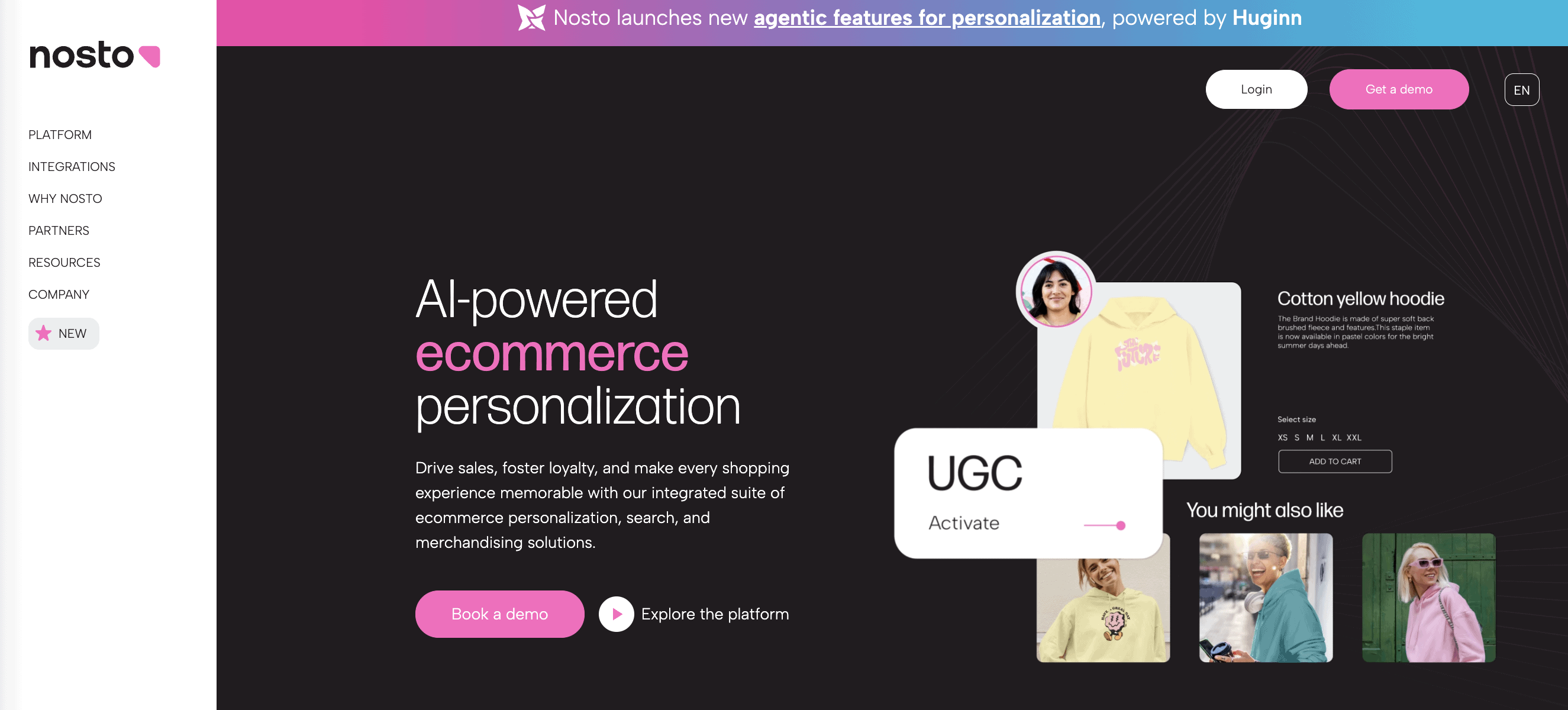
Nosto is a powerful commerce experience platform that utilizes AI to deliver personalized on-site shopping experiences. Serving mid-market to enterprise retailers globally, it optimizes everything from navigation arrays to category merchandising dynamically.
Key features
-
Dynamic product recommendations based on real-time browser intent
-
On-site search personalization and automated visual merchandising
-
Customer behavior segmentation tools with automated message targeting
-
User-generated content (UGC) bundling and automated cross-sell triggers
-
Comprehensive multi-platform support (Shopify, BigCommerce, Magento, Salesforce)
-
Predictive analytics mapped directly to gross merchandise value (GMV)
Pricing
| Plan | Monthly Price | Target Retailer | Billing Terms |
|---|---|---|---|
| Growth Tier | Custom | Growing Brands | Billed Annually |
Best for: Omnichannel and mid-market retailers seeking an all-in-one personalized product discovery ecosystem across complex catalogs.
Pros
-
Strong cross-platform functionality supporting multiple CMS engines
-
GMV-based pricing provides cost predictability during massive seasonal traffic spikes
-
Deep merchandising control layers for precise rule overriding
Cons
-
Contract terms enforce rigid annual upfront payments with no refund windows
-
High entry barrier for smaller merchants making under $5M GMV
-
CPA attribution numbers can occasionally be difficult to audit against native analytics
6. Surfer SEO
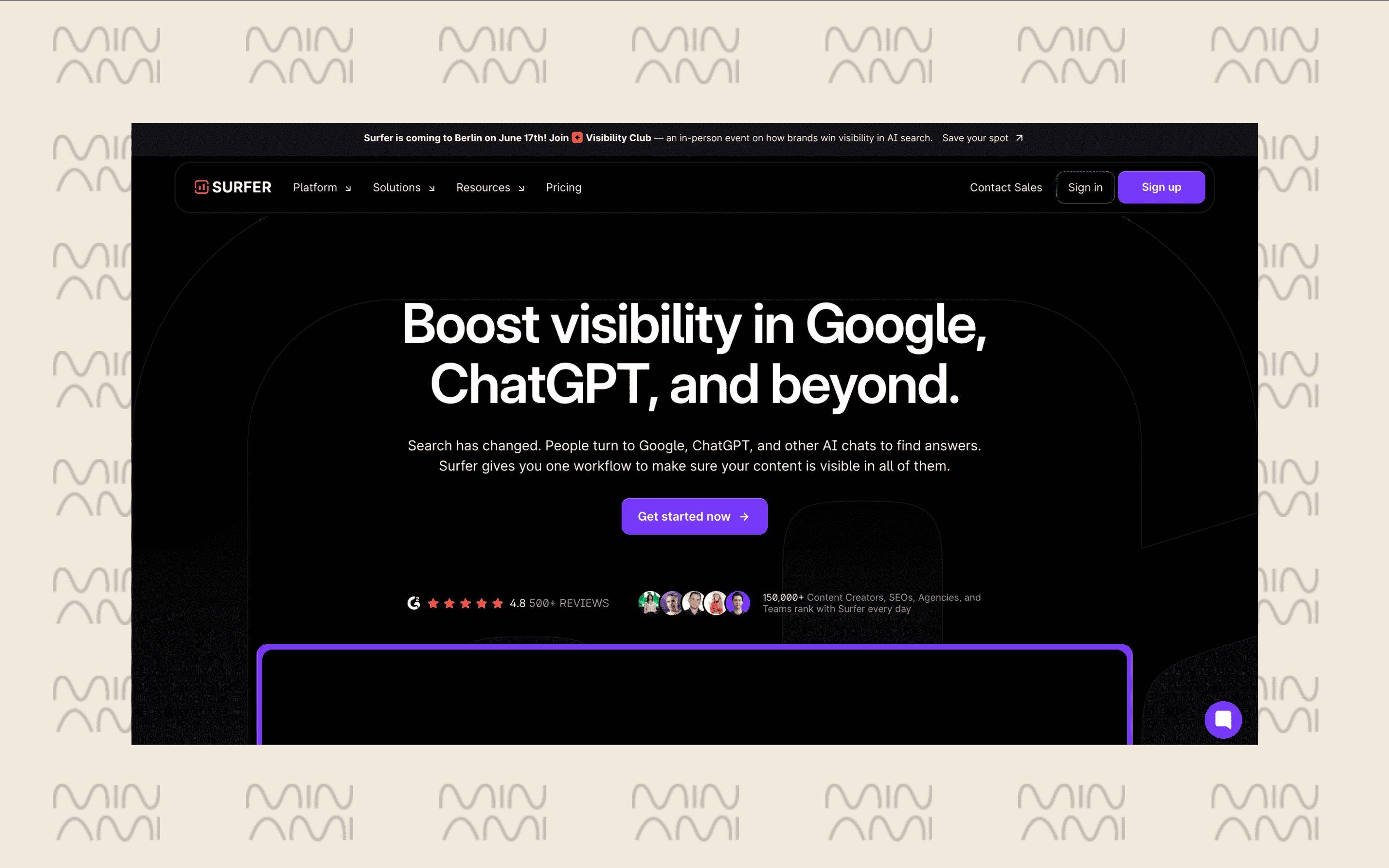
Surfer SEO is a cloud-based platform that replaces on-page optimization guesswork with real-time semantic data analysis. By scanning active SERP competitors, it tells ecommerce brands exactly how to structure content to rank highly on search engines.
Key features
-
Real-time NLP Content Editor with live keyword density scoring
-
Competitor SERP Analyzer and technical Content Audit checks
-
Built-in AI text generation engine (Surfy) for quick optimized copy drafts
-
Brand-voice tracking and custom template profiles
-
AI Tracker to monitor brand placement across AI engine queries (ChatGPT, Google)
-
Direct writing extensions for WordPress, Jasper AI, and Google Docs
Pricing
| Plan | Monthly Price | AI Articles | AI Prompts tracked |
|---|---|---|---|
| Essential | $119 | 30 / month | 25 / month |
| Scale | $219 | 30 / month | 50 / month |
| Peace of Mind | $359 | Custom | 100 / month |
Best for: Content marketers, SEO agencies, and ecommerce companies looking to acquire organic customers through data-backed content strategy.
Pros
-
Outstanding real-time content scoring mechanism that demystifies search algorithms
-
Integrates flawlessly to enhance adjacent writing platforms
-
Forward-thinking tracking features for modern AI-search parameters
Cons
-
Lacks deeper off-page SEO features like backlink tracking and site crawling
-
No permanent free trial or free tier available
-
Overage costs for extra AI-written articles add up quickly ($29 per article)
7. Tidio
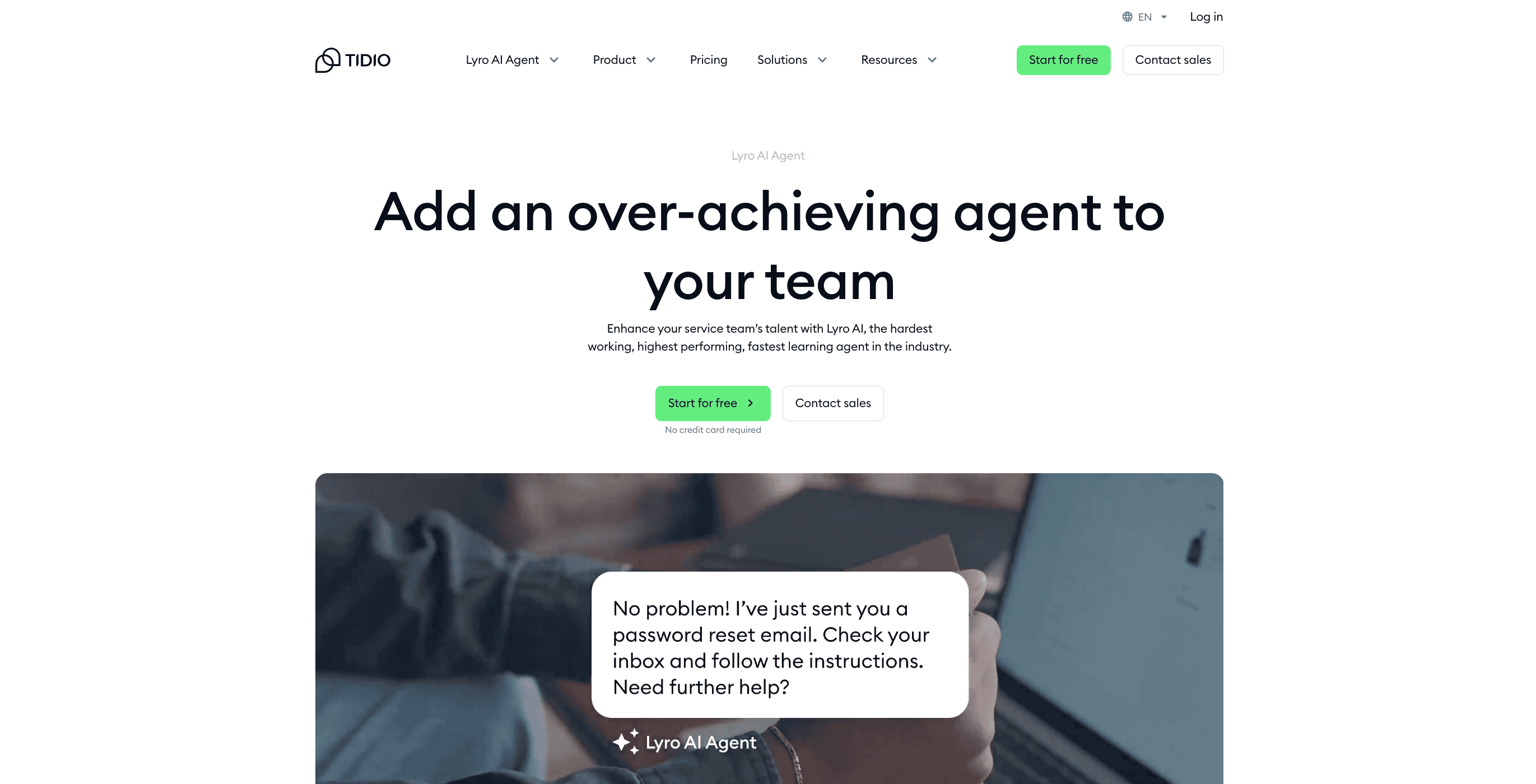
Tidio is an all-in-one customer service platform that combines live chat, ticketing, and AI-driven automation via its proprietary AI agent, Lyro. It is widely popular among small-to-medium ecommerce brands looking to streamline communication and instantly scale customer support.
Key features
-
Lyro AI chatbot that answers up to 70% of customer questions automatically using your store’s FAQ or website data
-
Multichannel inbox aggregating Shopify chat, Instagram, Facebook Messenger, WhatsApp, and email
-
Real-time visitor tracking to see what specific products users are viewing before they message
-
Pre-built ecommerce bots for cart abandonment recovery and flash discount offerings
-
Live chat widget fully customizable to match your online store’s visual identity
-
Integrated ticketing system to route, tag, and manage complex support issues
Pricing
| Plan | Monthly Price | AI Conversations / Mo | Users |
|---|---|---|---|
| Free | $0 | 50 Lyro chats | 1 seat |
| Starter | $29 | 100 Lyro chats | 3 seats |
| Growth | $59 | 250 Lyro chats | 5 seats |
| Tidio+ | $499 | Custom / Unlimited | Custom |
Best for: Small to medium-sized online stores that want an affordable, easy-to-configure live chat solution combined with an instant conversational AI support assistant.
Pros
-
Generous free tier with basic live chat and light AI capabilities
-
Lyro AI can be trained in minutes simply by scraping your website URL or uploading an FAQ sheet
-
Excellent visual flow builder for setting up conditional marketing automation paths
Cons
-
Lyro AI conversation limits can be exhausted quickly during high-traffic sales periods
-
Advanced analytics, reporting, and custom permissions are locked behind higher-priced tiers
-
Lacks the deep, autonomous backend logistics execution (like filing courier claims) found in enterprise agents
Choosing the right ecommerce AI software for your business
The best tool depends on your specific operational bottleneck:
-
Just starting out: Tidio (free tier) or Photoroom keep your initial costs at zero while you set up your storefront and generate your first product visuals.
-
Scaling your marketing: Jasper AI or Klaviyo offer the precise brand voice customization and data segmentation you’ll need as your customer base expands.
-
Growing & high-volume orders: Minami AI is built specifically for scaling stores with a high and rising volume of daily orders, stepping in to autonomously manage backend chaos, support tickets, and direct carrier disputes when manual management becomes impossible.
-
Struggling with organic traffic: Surfer SEO gives you the precise semantic data needed to outrank competitors and drive free, high-intent traffic to your product pages.
-
Heavy visual catalog: Photoroom is the clear choice for stores requiring bulk photo staging and high-speed asset generation.
Tips for getting the most from your ecommerce AI automation tool
Once you’ve chosen a platform, these strategies will help you maximize the value:
-
Train your brand voice early. Take the time to feed your specific brand guidelines, past successful ad copy, and FAQs into tools like Jasper AI or Tidio to prevent generic, robotic outputs.
-
Offload high-volume tickets to autonomous agents. As your order volume grows, configure your AI agents to completely handle repetitive requests—like real-time address changes, order cancellations, or tracking status updates—without human intervention.
-
Turn returns into a retention channel. Use smart logic to proactively offer product exchanges, store credit, or tailored discounts during the return process to protect your revenue.
-
Sync your customer data across platforms. Ensure your AI tools connect directly to your core store data (like Shopify) so your marketing, support, and recommendations always adapt to real-time shopper behavior.
-
Monitor performance metrics closely. Regularly audit your AI analytics to see which automated copy performs best, how many support tickets are resolved autonomously, and where you can further optimize your store’s efficiency.
Streamline your entire ecommerce operation
Our list covers marketing, SEO, and visual assets, but what about the core of your growing business?
Minami AI offers an autonomous support and logistics agent built specifically for online retailers. Just like your favorite marketing integrations, our AI connects directly to your Shopify store, pulling live order information and resolving complex customer issues without human intervention.
Instead of just answering basic FAQs like traditional chatbots, Minami handles real backend actions like changing delivery addresses, processing smart product exchanges, or automatically filing claims with shipping carriers when a package goes missing.
By operating autonomously across your support and logistics channels, it significantly reduces manual ticketing while driving up post-payment revenue.
The combination of automated front end marketing and our autonomous backend agent creates a fully hands off operation for your store. While your fulfillment workflows move the packages, Minami AI keeps your operations running flawlessly and your customers happy at scale.
Savings calculator
EstimateWhat could Minami save your support team?
Saved per month
$0
0 agent hours freed
0 tickets handled by AI
Estimate based on your inputs. Default automation rate reflects the "on average 90% less customer queries" figure on minami.ai; your results will vary. Excludes Minami subscription cost.