 Nobikage San
 Introducing
The best AI tools and solutions for the footwear industry
Explore the best AI tools, agents, and software for footwear brands, from design and virtual try-on to sizing, product discovery, and ecommerce operations.
If you are in the footwear industry, you probably know how challenging this ecommerce category can be.
Sizing, logistics operations, shopping experience, delivery speed, customer support… A shopper may love the design of a sneaker but return it because it feels too narrow. And that means more cost and complexity for your business.
The good news is that there are many AI tools that can make your work much easier. But which AI software is actually built for the footwear industry? Which AI agents are best for shoe brands and retailers? Let’s take a look.
The best AI tools for footwear brands in 2026
-
Minami AI: Best for reducing ecommerce support costs.
-
Vizcom: Best for footwear design
-
Fittingbox Footwear: Best for virtual try-on.
-
True Fit: Best for size recommendations.
-
Lily AI: Best for product discovery.
Benefits of AI tools in the footwear industry
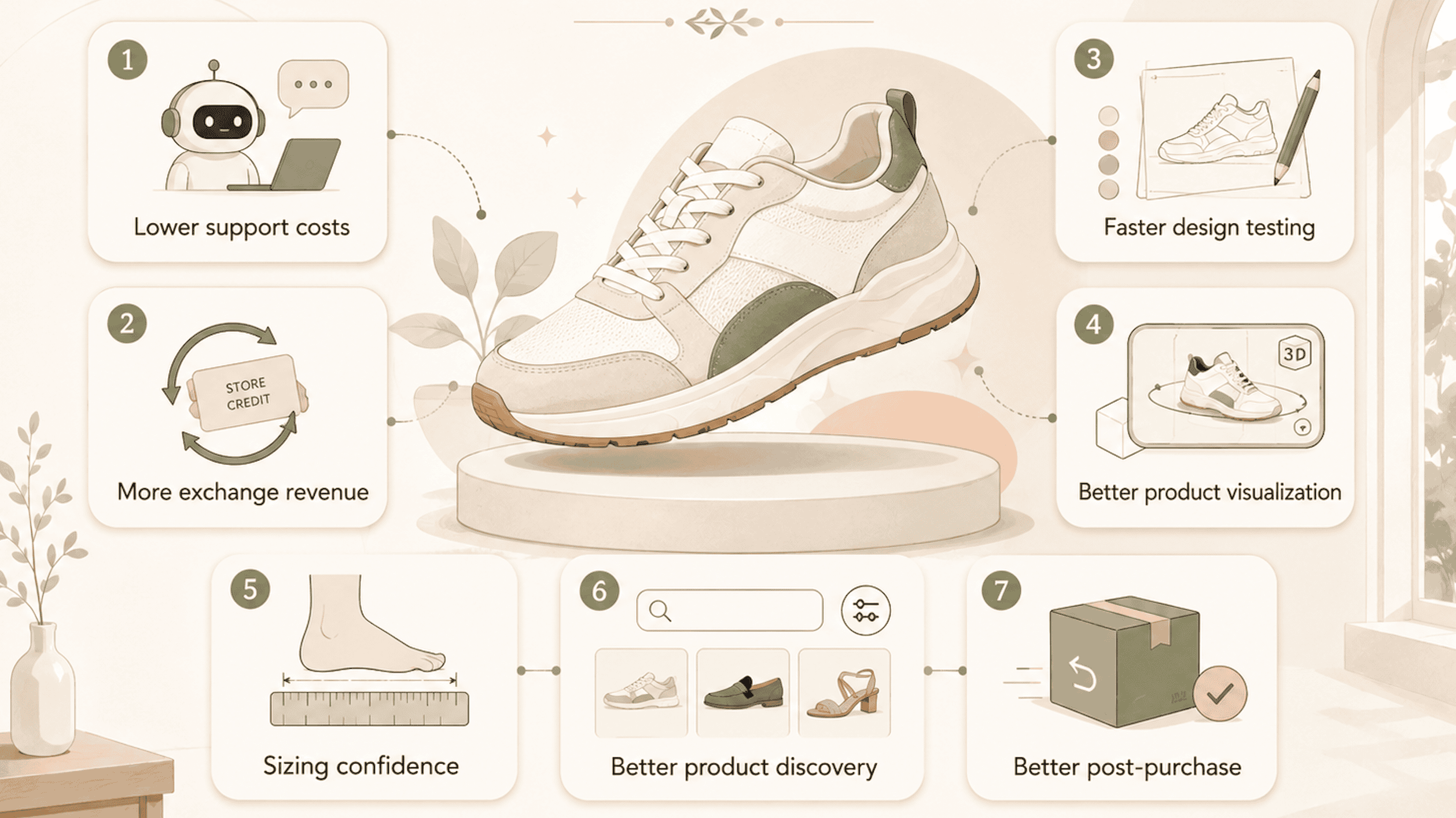
Lower customer support costs
In footwear ecommerce, AI agents like Minami AI can handle size changes, delivery issues, returns, exchanges, and address updates automatically. This reduces the manual work behind repetitive support tickets.
More revenue recovered from exchanges and store credit
Footwear returns often happen because of size, fit, or style. AI agents can guide shoppers toward another size, another color, store credit, or a similar model before the sale becomes a refund, reducing the total number of returns.
Faster product design and concept testing
AI design tools help footwear teams test soles, silhouettes, materials, textures, and colorways faster. This makes it easier to compare ideas before producing samples.
Better product visualization before purchase
3D viewers and AR try-on tools let shoppers inspect the shoe shape, sole height, color, and material finish online. This gives them a clearer view before buying.
More confidence around sizing and fit
AI fit tools can recommend the right size based on product data, shopper behavior, and fit patterns. This is especially useful when width, material, or shape affects comfort.
Better product discovery across your catalog
AI product attribution helps tag shoes by style, occasion, comfort, width, material, and use case. This makes search, filters, recommendations, and merchandising more useful.
A better post-purchase experience
AI can manage delivery updates, returns, exchanges, and fit-related questions after checkout. This helps footwear brands create a smoother experience after the sale.
Best AI tools, platforms, and agents for footwear brands
1. Minami AI
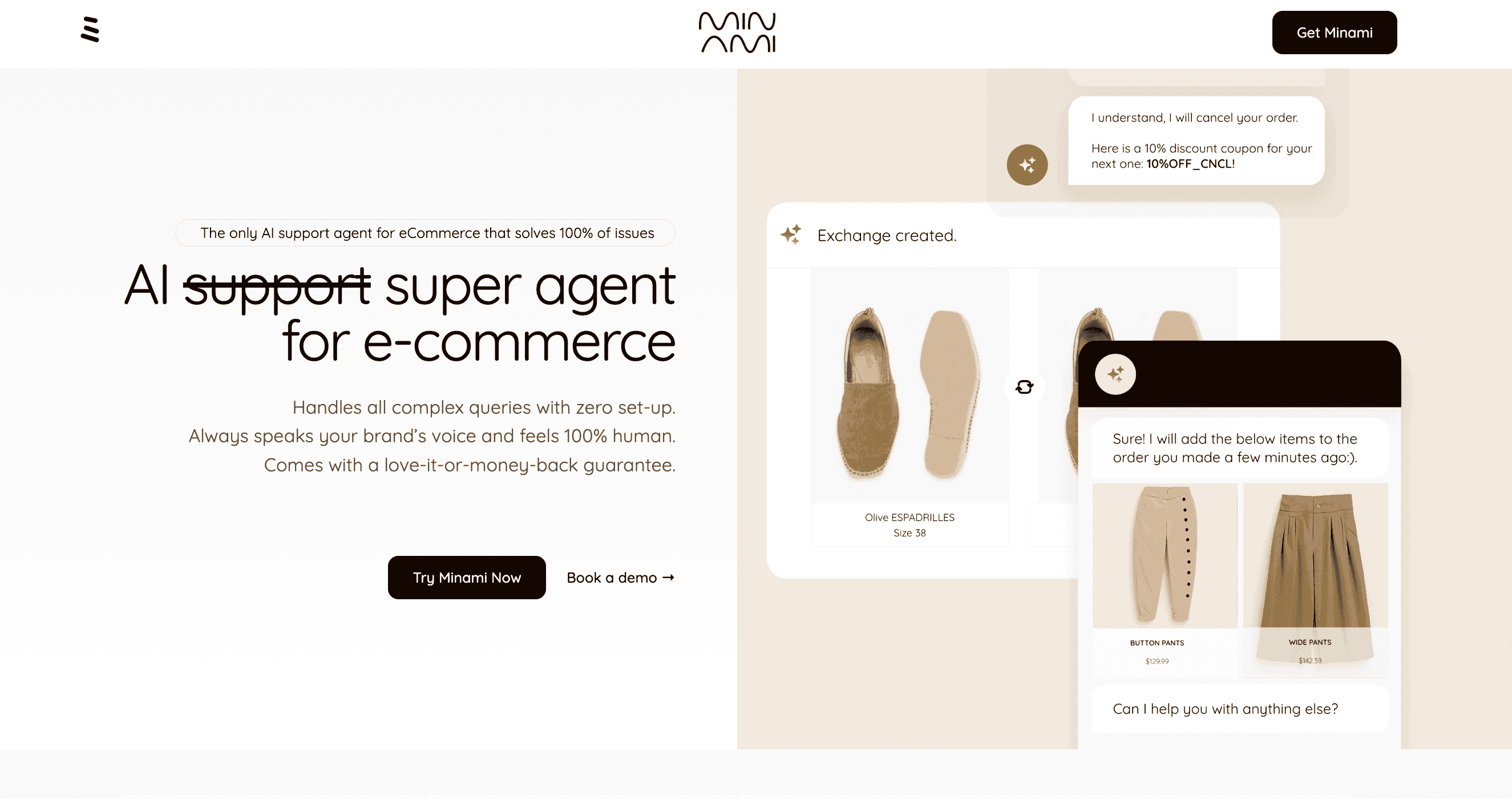
Minami AI is an autonomous AI agent built for ecommerce operations. For footwear brands, it can handle many of the support, delivery, return, and exchange issues that stores selling sneakers, shoes, and other footwear deal with every day.
Minami AI is trained on ecommerce support scenarios, brand policies, past tickets, and knowledge documents, so it can understand each request in context and respond with the right operational action.
It can check the order context, apply the brand’s rules, and trigger the next step, whether that means updating an address, starting an exchange, creating a return, or helping the customer find a better solution.
Main features:
- Size exchange automation
- Return and exchange handling
- Product recomendations
- Delivery issue resolution
- Backend order actions
Best for: footwear brands that want to reduce support costs, automate repetitive post-purchase work, and recover more revenue through exchanges and store credit.
2. Vizcom
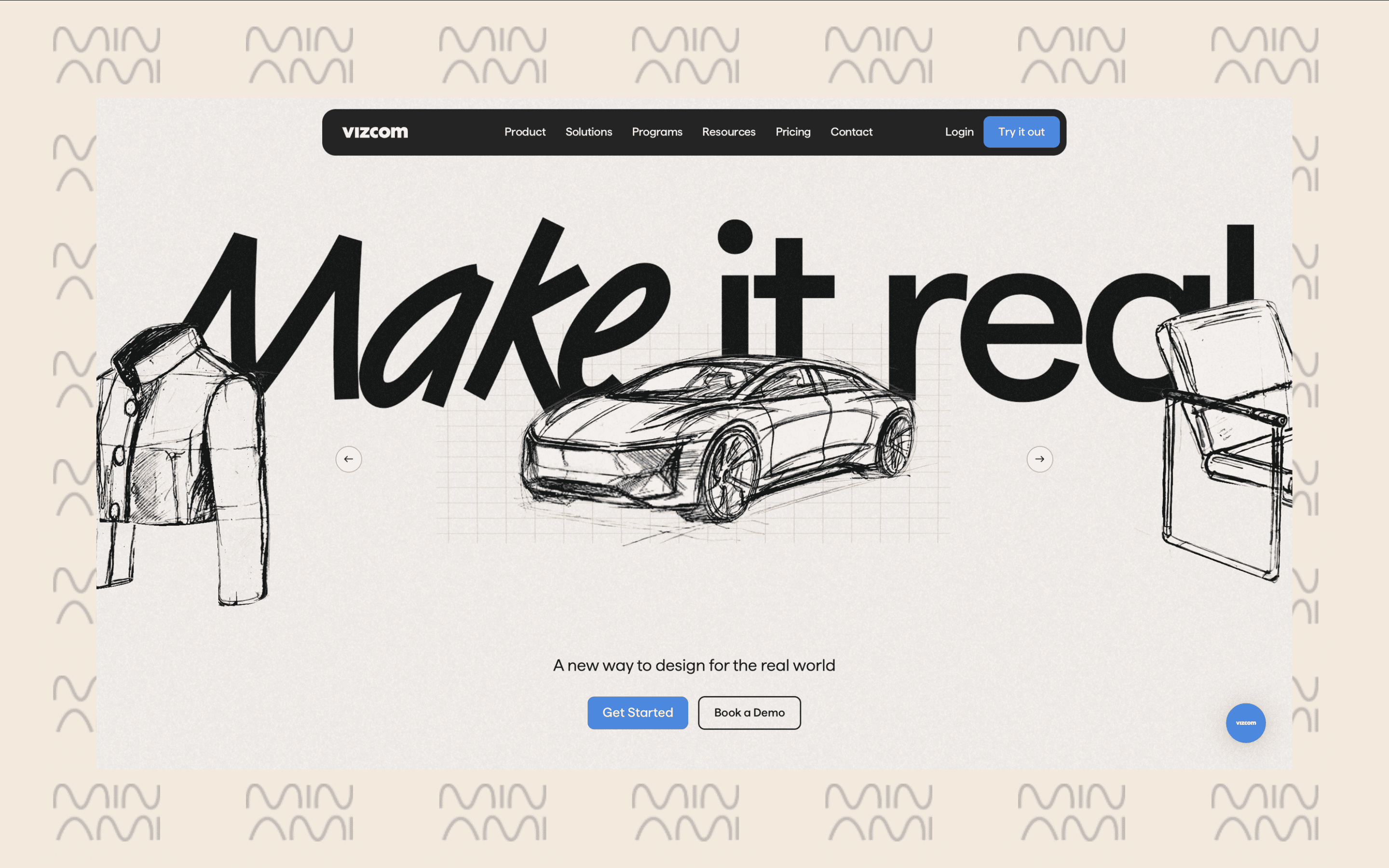
Vizcom is an AI design tool that helps footwear teams turn sketches and early ideas into realistic product visuals faster.
For shoe brands, this is valuable because small design changes can completely change how a product feels. A different sole, material, texture, or colorway can move a sneaker from basic to premium, or from lifestyle to performance.
Main features:
- Sketch-to-render workflow
- Colorway exploration
- Material testing
- Concept refinement
Best for: design teams that want to test footwear concepts, silhouettes, materials, and colorways before moving into sampling or production.
3. Fittingbox Footwear
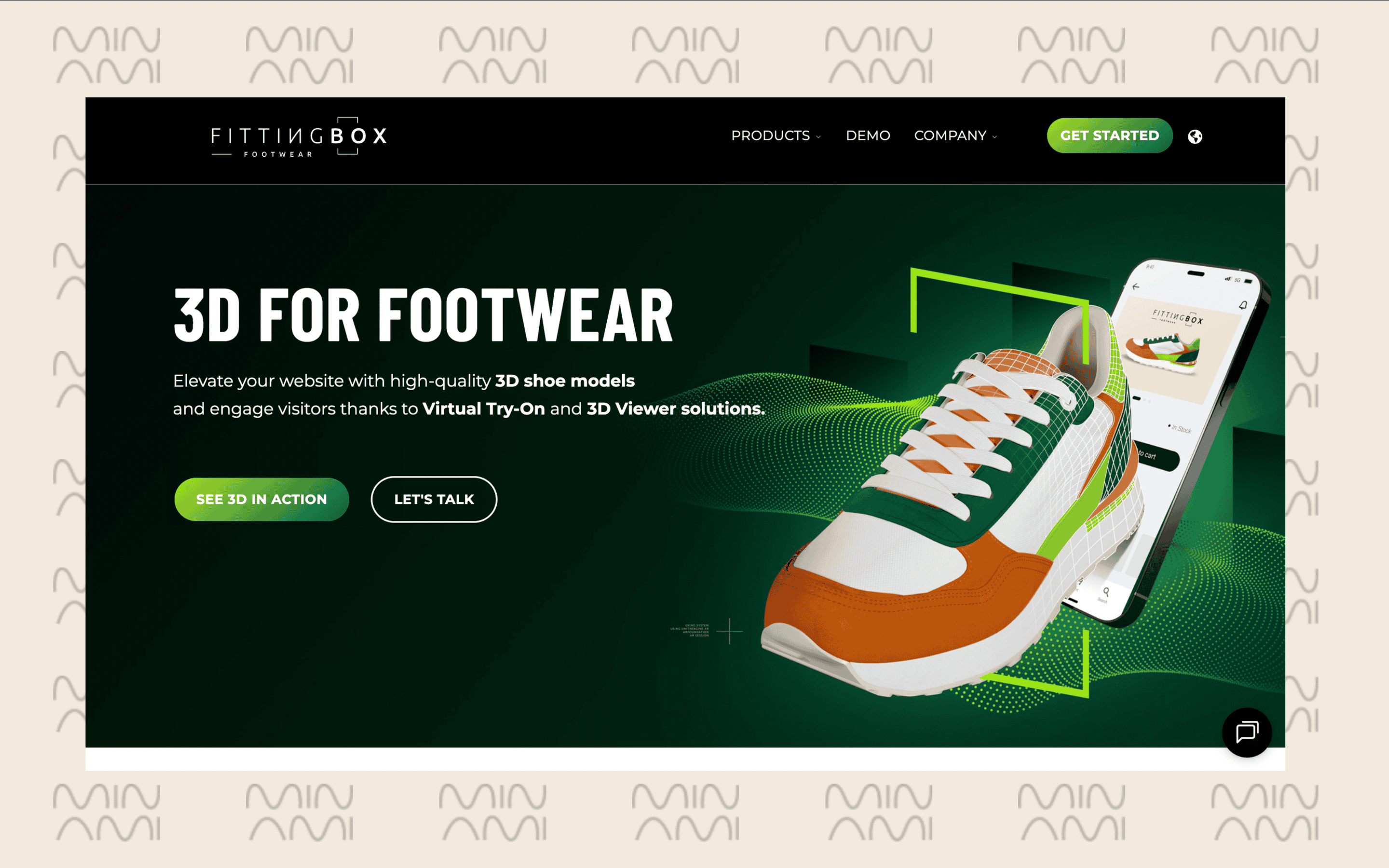
Fittingbox Footwear helps brands create 3D shoe viewers and AR virtual try-on experiences.
For footwear ecommerce, this improves product confidence before purchase. Shoppers can see the shoe from different angles, inspect details, and visualize how it looks on their feet using their smartphone camera.
Main features:
- 3D shoe viewer
- AR virtual try-on
- Real-time foot tracking
- Interactive product pages
Best for: footwear brands where design, shape, sole height, materials, and visual confidence strongly influence conversion.
4. True Fit
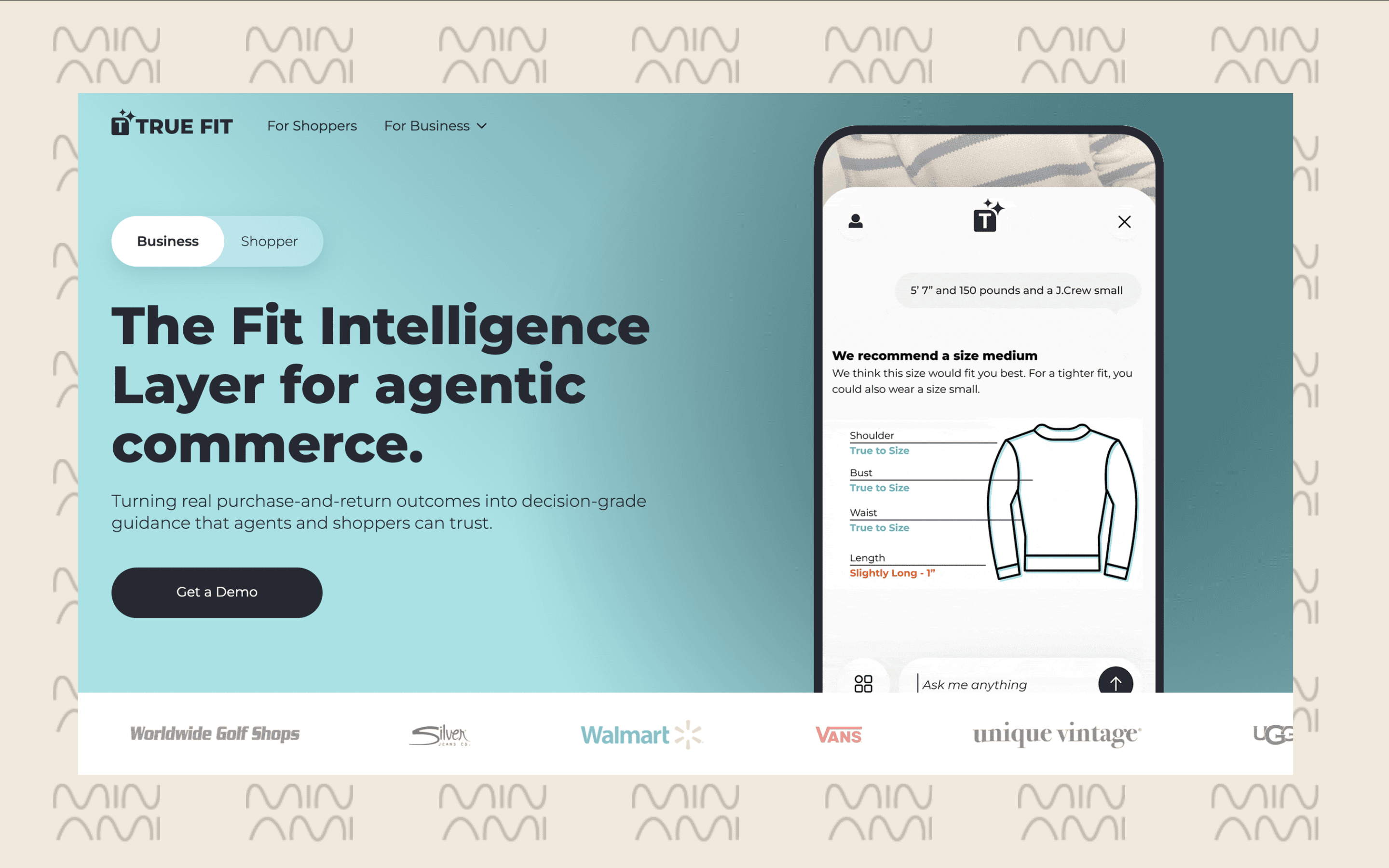
True Fit is an AI fit and sizing platform for apparel and footwear retailers.
In footwear, size uncertainty can create abandoned carts, bracketing, and returns. True Fit helps shoppers choose the right size by using product data, shopper behavior, and fit intelligence.
Main features:
- Personalized size recommendations
- Fit intelligence
- Return reduction
- Bracketing reduction
Best for: footwear brands with high return rates caused by sizing issues, inconsistent fit, or customers ordering multiple sizes.
5. Lily AI
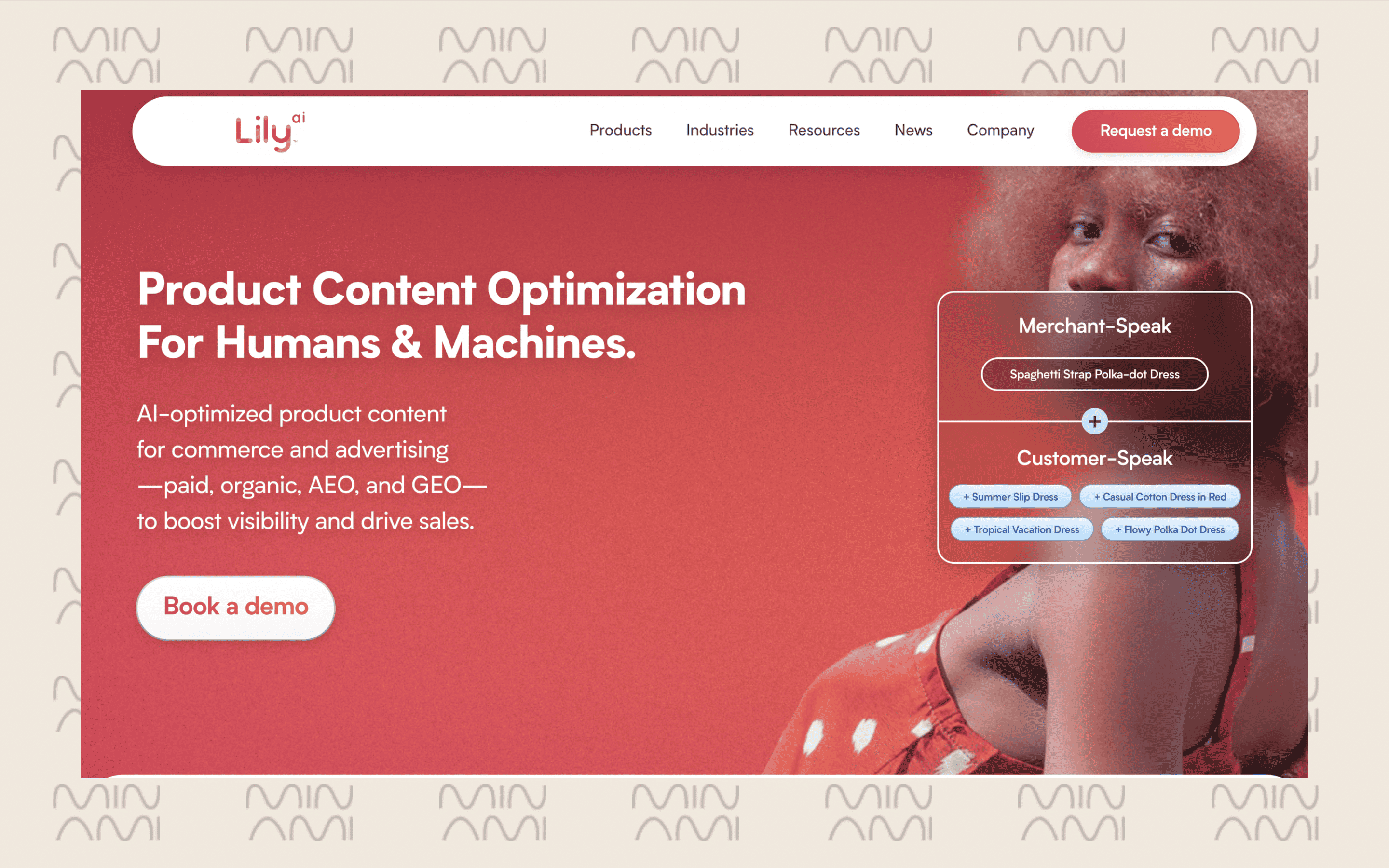
Lily AI helps ecommerce brands improve product discovery through AI-powered product attribution.
For footwear brands, this matters because shoppers often search in natural language. They may look for “comfortable black work sneakers,” “chunky white trainers,” or “waterproof boots for winter.” Lily AI helps connect those searches with the right products by enriching catalog data with shopper-friendly attributes.
Main features:
- AI product attribution
- Search improvement
- Catalog enrichment
- Merchandising support
Best for: footwear brands with large catalogs, many styles, seasonal collections, or products that are hard to discover through basic filters.
How to choose the right AI tool for your footwear brand
The right AI tool depends on where your brand is losing speed, confidence, or margin.
Some tools help you design faster. Others help shoppers visualize, choose the right size, or find the right pair. But in footwear, many of the most expensive problems happen after checkout: delivery questions, size exchanges, returns, refunds, and support tickets.
That is why the best AI strategy is not just about creating better products. It is about making the entire journey feel easier, from the first idea to the final delivery.
For brands that want to protect that experience after the sale, Minami AI is built for the part of ecommerce where customer satisfaction, operational cost, and retained revenue meet.
Frequently Asked Questions
Have more questions? Fill this form and our team will be in touch to answer them!
-
What is an AI software for the footwear industry
- An AI tool for footwear brands is software that uses artificial intelligence to improve a specific part of the footwear business, such as design, sizing, virtual try-on, product discovery, customer service, delivery issue resolution, returns, or exchanges.
-
Can AI reduce footwear returns?
- Yes. AI can reduce footwear returns by improving size recommendations, helping customers visualize products more clearly, enriching product information, and automating exchanges instead of defaulting to refunds.
-
Which AI tool should a footwear brand start with?
- Start with the tool that solves your most expensive problem. For many footwear ecommerce brands, that problem is post-purchase: delivery issues, WISMO tickets, returns, exchanges, and support costs. In that case, Minami AI is the best place to start.
-
What are the best AI tools for footwear ecommerce?
- The best AI tools depend on the problem you want to solve. Minami AI is best for ecommerce operations and customer support. Vizcom is best for design visualization. Fittingbox Footwear is best for 3D and AR try-on. True Fit is best for size recommendations. Lily AI is best for product discovery and catalog enrichment.
Get Started
Minami is available with zero setup
No integrations. No workflows. No dev time. Just power up Minami and let your AI agent cut refunds, manual labor, and losses