 Nobikage San
 Introducing
4 Best generative AI Agents, tools and systems for post-urchase Order Tracking
Discover the best generative AI tools for post-purchase order tracking, customer updates, delivery issues, and smarter ecommerce support.
Post-purchase order tracking is no longer just about showing a delivery status after a purchase. If you run an ecommerce or retail brand, you know that customers expect more than a tracking link. They want clear answers, simple explanations, and fast support when something feels wrong.
That is where generative AI changes the role of tracking. The best AI tracking tools use AI agents, generative chatbots, and connected post-purchase systems to understand customer questions, explain delivery issues, reduce repetitive tickets, and make the order tracking experience feel more personal.
For this list, we focused on pure AI tools built around generative chatbot experiences and AI agents. We did not include traditional tracking platforms that have simply added AI algorithms or small AI features on top of existing tracking systems.
Best AI agents for post-purchase tracking in 2026
-
Minami AI: Best for end-to-end post-purchase order management
-
Yuma AI: Best for automating high-volume WISMO tickets
-
Fin: Best for order updates inside broader customer service automation
-
Gorgias AI: Best for brands using Gorgias as their helpdesk
What is AI order tracking in ecommerce and retail?
AI order tracking is an artificial intelligence system used in retail and ecommerce to interpret post-purchase order information after a customer completes a purchase. It is usually built with generative AI, chatbot technology, or AI agents that understand tracking data, order context, and customer questions in a more natural way than traditional tracking systems.
👉 How to boost sales using generative AI
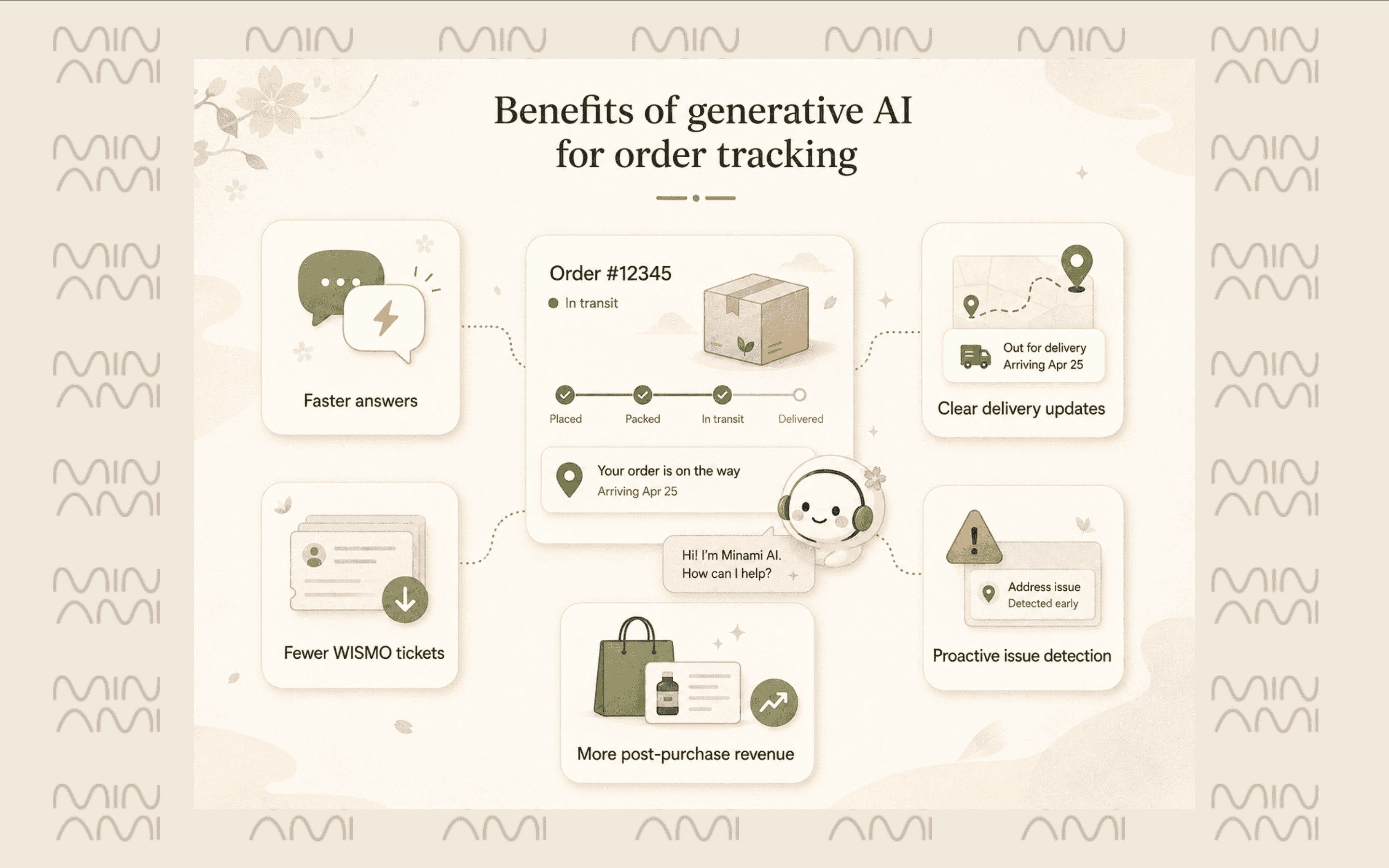
Benefits of generative AI for purchase order tracking systems
1. Faster answers for customers
Generative AI can answer order status questions instantly using live tracking and order data. This reduces waiting time and gives customers clear updates without contacting support.
2. Fewer WISMO tickets
Most post-purchase questions are repetitive: “Where is my order?”, “Why is it delayed?”, or “When will it arrive?” AI can handle these questions automatically, reducing support volume.
3. Clearer delivery explanations
Carrier updates are often vague or hard to understand. Generative AI can translate tracking events into simple, customer-friendly messages.
4. Proactive issue detection
AI can detect delays, failed deliveries, wrong addresses, or missing information before the customer complains. This helps brands act earlier and improve the delivery experience.
5. More revenue after purchase
Order tracking is one of the moments when customers are most engaged. AI can recommend products, suggest exchanges, or show personalized offers during the tracking experience.
👉Best AI tools and platforms for ecommerce growth
Best generative AI tools and platforms for post-purchase order tracking
1. Minami AI
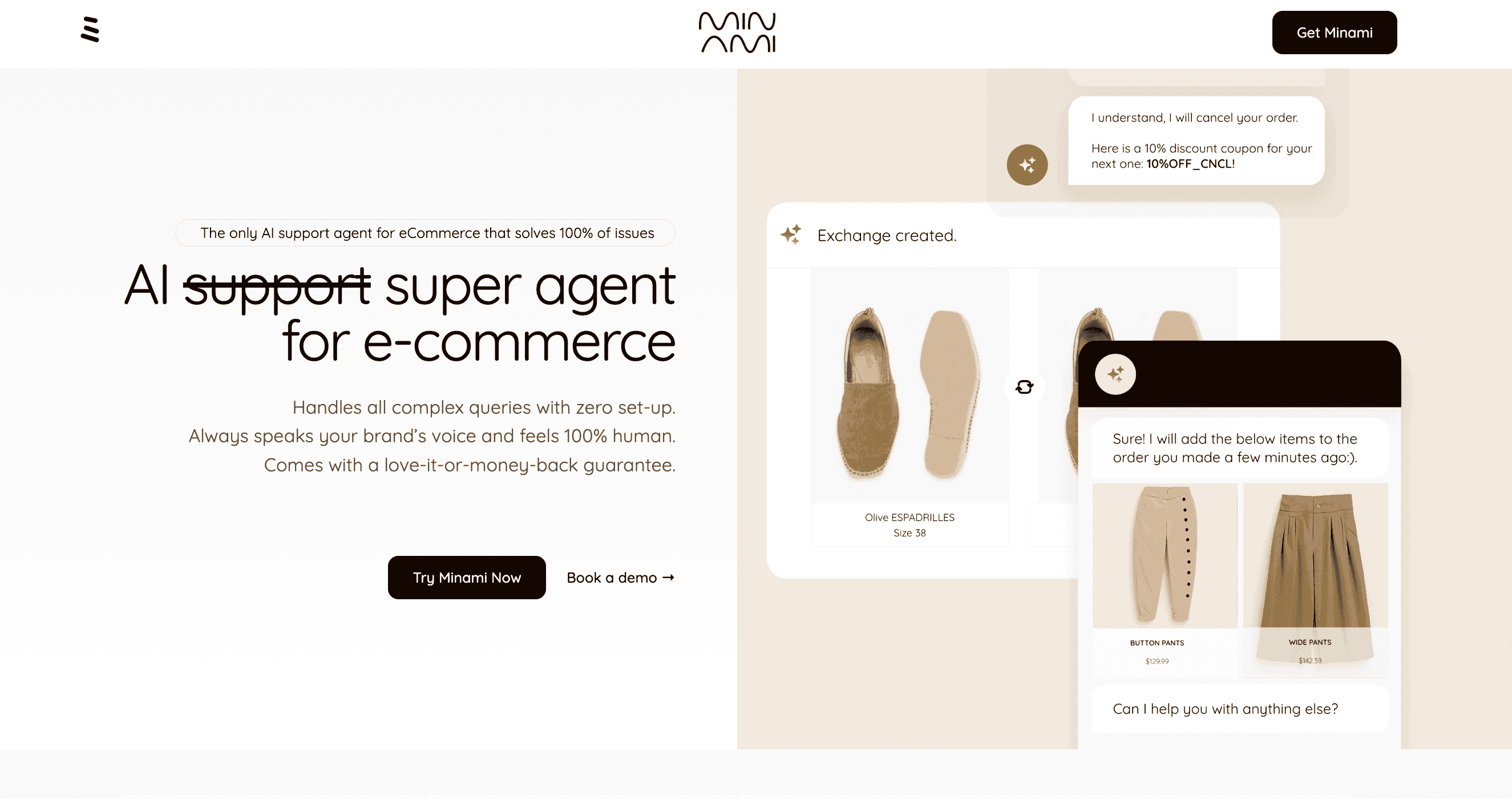
Minami AI is an autonomous AI agent designed for ecommerce brands that want to manage the full post-purchase journey and run logistics with AI.
Its value goes beyond giving customers a tracking update. It helps brands handle and orchestrate the situations that usually happen after a tracking question, including delivery delays, failed deliveries, courier issues, returns, exchanges, order edits, and customer follow-ups.
This makes it especially useful for brands where order tracking is connected to many operational tasks. A customer may start with “Where is my order?”, but the real issue may require checking the delivery status, understanding the carrier event, applying the brand’s policy, updating the customer, or starting a return or exchange flow.
Key tracking-related strengths
| Area | How it helps |
|---|---|
| Order visibility | Gives customers clear updates using order and delivery data |
| Delivery issues | Helps manage delays, failed deliveries, lost packages, and courier problems |
| Post-purchase actions | Supports order edits, returns, exchanges, and follow-up workflows |
| Operational support | Connects tracking issues with the actions needed to resolve them |
| Customer experience | Gives customers faster answers and clearer next steps after purchase |
Pricing
Contact the sales team for pricing
2. Yuma AI
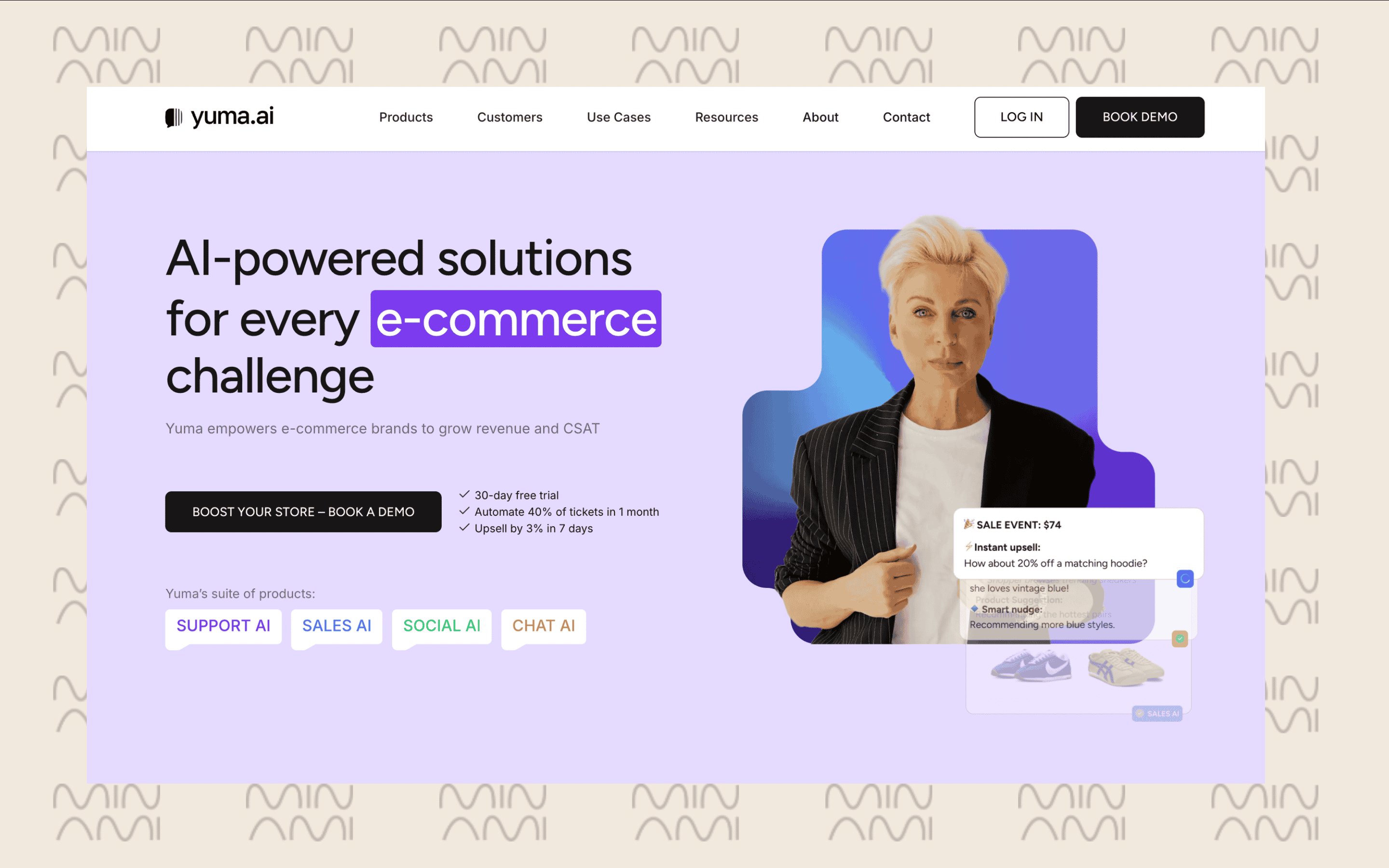
Yuma AI is an AI customer service platform built specifically for ecommerce brands. It works inside the brand’s existing helpdesk and can connect with tracking, returns, shipping, or ecommerce tools to use live data in customer conversations.
This makes it useful for brands that already have a tracking system in place but want to automate the support side of order tracking, from delivery updates to delays, failed deliveries, or return requests.
Key tracking-related strengths
| Area | How it helps |
|---|---|
| Tracking replies | Provides customers with order status and tracking information |
| Ticket deflection | Reduces the number of basic tracking questions reaching agents |
| Support productivity | Helps customer service teams manage higher volumes |
| Ecommerce workflows | Works well for brands with frequent post-purchase support requests |
Pricing
Yuma’s public pricing page is demo-led, so final pricing depends on the brand’s setup and support volume.
3. Fin
Fin AI is not a dedicated post-purchase or tracking tool. It is a general AI customer service agent built to manage different types of support conversations from one place.
Its role in order tracking is different from more post-purchase-focused tools. Fin is useful when tracking questions are only one part of a wider support journey. For example, a customer may ask about a delivery update, then follow up with a refund question, a product question, or an account issue in the same conversation.
This makes Fin a good fit for ecommerce brands that want AI to support the full customer service experience, not only the post-purchase workflow.
Key tracking-related strengths
| Area | How it helps |
|---|---|
| Order status support | Helps customers get order and delivery updates |
| Broad support automation | Covers tracking alongside other service questions |
| Customer conversations | Works across different types of support interactions |
| Escalation | Can route more complex cases to human agents |
Pricing
Fin AI is priced at $0.99 per outcome.
4. Gorgias AI
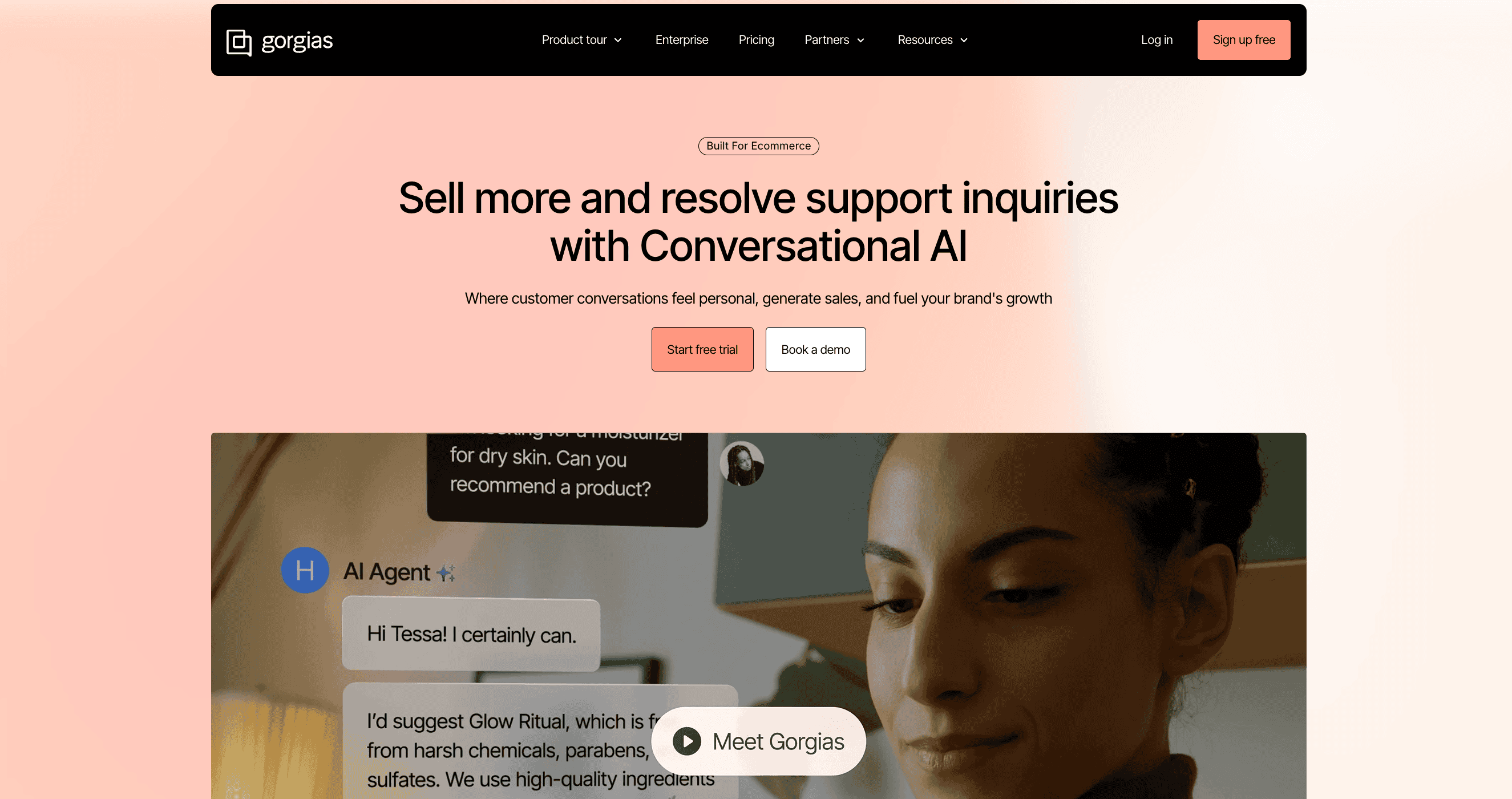
Gorgias AI is an AI-powered helpdesk built for ecommerce support teams, especially Shopify brands. Its main value is that AI works inside the same inbox agents already use, so brands can automate part of their customer service without changing their support workflow.
Their AI widget can resolve common issues related to tracking questions, return requests, order edits, and customer history directly inside the helpdesk.
Key tracking-related strengths
| Area | How it helps |
|---|---|
| Helpdesk tracking support | Answers tracking questions inside the support inbox |
| Shopify order context | Uses ecommerce data to support customer conversations |
| Return-related questions | Helps manage common post-purchase requests |
| Agent assistance | Helps support teams respond faster |
Pricing
Gorgias AI pricing is around $0.90 per resolved conversation.
How to choose the top AI solution for order tracking in ecommerce
The best AI order tracking tool is not always the one that answers the most tickets. It is the one that helps customers understand what is happening and helps your team solve the issue behind the question. Before choosing a platform, focus on these four things.
-
Choose based on resolution. A basic AI tool can answer “Where is my order?” A stronger AI tool can understand why the customer is asking, explain the delivery status, detect if something is wrong, and trigger the next step. That difference matters. In ecommerce, tracking questions often turn into delivery issues, return requests, address changes, refund pressure, or support escalations.
-
Check how well it connects with your post-purchase data. AI order tracking is only useful if the tool can access the right data. That means order status, carrier events, delivery history, customer details, return rules, product data, and support context. Without this, the AI will give generic answers. With the right data, it can explain what happened and guide the customer toward the right next step.
-
Match the tool to your operation. If you only need faster support replies, a helpdesk AI tool may be enough. If your team manages delays, failed deliveries, returns, exchanges, order edits, and customer follow-ups, choose a platform built for the full post-purchase journey. This is where tools like Minami AI are stronger, because they are designed to manage ecommerce operations after the sale, not just answer support tickets.
-
Look at the real cost of automation. Do not compare tools only by their monthly price. Look at how much each resolved issue costs, how many tickets the AI can handle, how much agent time it saves, and whether it can reduce refunds, delivery complaints, and repetitive work. A tool that costs more on paper can be cheaper if it replaces more manual support work and solves more post-purchase issues automatically.
👉 Best generative AI chatbots to improve your customer service
Get Minami AI
If you have read this far and the pattern you keep recognizing is “order tracking is creating too much work for our team,” that is exactly where Minami AI fits.
Minami AI is built for ecommerce brands that want to cut support costs drastically and replace more than 90% of repetitive customer service work, including the workload created by post-purchase order tracking.
Because the real problem is not the tracking question itself. It is the time, cost, and operational pressure that comes after it.
Get Minami and turn post-purchase support into a lighter, faster, and more profitable operation.
Frequently Asked Questions
Have more questions? Fill this form and our team will be in touch to answer them!
-
How is AI order tracking different from a normal tracking page?
- A normal tracking page shows the latest delivery status. AI order tracking explains what that status means, answers follow-up questions, and helps customers understand what to do next if something goes wrong.
-
What type of brands benefit most from AI order tracking?
- AI order tracking is most useful for ecommerce brands with high order volume, frequent delivery questions, international shipping, return-heavy products, or small support teams that need to manage more requests without hiring more agents.
-
Can AI order tracking replace customer support agents?
- In many cases, yes. Minami AI is designed to replace more than 90% of repetitive ecommerce support work and reduce costs drastically, including tickets related to order tracking, delivery issues, returns, exchanges, and post-purchase updates. Human agents can then focus on high-value cases, sensitive situations, and decisions that need extra judgment.
-
Can AI explain confusing carrier updates?
- Yes. This is one of Minami AI’s strongest use cases. Carrier messages are often short, vague, or written for internal logistics teams. Minami AI turns those updates into clear, customer-friendly explanations, so customers understand what happened, why it matters, and what comes next.
Get Started
Minami is available with zero setup
No integrations. No workflows. No dev time. Just power up Minami and let your AI agent cut refunds, manual labor, and losses