 Nobikage San
 Introducing
I’ve analyzed the most popular AI systems for product returns, and these are my conclusions
Explore the top 7 AI-driven returns systems. Create workflows, automate product return logistics processing, and analyze customer behavior .
If you’re searching for an AI-powered returns management platform, you’re probably done with “returns management” that’s really just a branded form and a pile of manual work behind it.
I’ve been there. Early in my career, I spent months managing a returns desk where “automation” meant an Excel macro that crashed twice a day. I remember the chaos of Black Friday: hundreds of packages arriving without labels, customer support drowning in “where is my refund?” tickets, and a warehouse team guessing which items to restock.
That’s why you need a system that actually drives your digital transformation and runs your entire reverse logistics operation.
In this article, you’ll see a focused comparison of AI-powered returns platform options built specifically to modernize how you handle product returns, based on what actually works in a high-volume warehouse.
What are the best AI platforms for product return automation?
-
Minami AI: for a truly autonomous returns agent optimization
-
Loop Returns: for exchange-first retention flows
-
Optoro: for recovery routing after intake
-
Narvar: for tracking-driven return reduction
-
AfterShip Returns: for rules-based RMA workflows
-
Happy Returns: for drop-off plus fraud screening
-
ReturnLogic: for analytics on return drivers
-
Eesel AI: for a completely no-code solution
2026 AI returns platforms: Quick comparison
| Platform | Primary System | Best For | Pricing |
|---|---|---|---|
| Minami AI | Truly Autonomous AI Agent | Full workflow ownership | Contact Sales |
| Loop | Exchange-first flows | Shopify revenue growth | $155 - 340/mo |
| Optoro | Enterprise processing | Reverse logistics & resale | Contact Sales |
| AfterShip | Multi-storefront dashboard | High-volume visibility | $11 - 400/mo |
| Happy Returns | Drop-off network system | Reducing return fraud | Contact Sales |
| Narvar | Delivery promise engine | Unified customer tracking | Contact Sales |
| ReturnLogic | Data-driven optimize | Policy & SKU decisions | $3.90/return |
| Eesel AI | A fully no-code solution | Easy setup | $0.40/ticket |
What is an AI platform for returns management?
An AI-powered returns management platform is an intelligent system designed to drive your digital transformation. It uses automation and machine learning to orchestrate the full logistics lifecycle—from the initial request to the final outcome.
By integrating with your tech stack, it triggers the immediate processing of items and keeps your workflows moving without manual intervention. This allows you to optimize every touchpoint, turning a complex operational mess into a high-performance, data-driven engine.
How AI systems optimizes returns management
Integrating AI into your reverse logistics doesn’t just make things faster; it makes them smarter. Here is how AI optimizes the process:
1. Dynamic routing and dispositioning
AI algorithms analyze variables like shipping costs, inventory levels, and item demand to decide the most profitable destination for a return. Should it go back to the main warehouse, a local liquidator, or a donation center? AI makes that call in milliseconds.
2. Fraud detection
“Bracketing” (buying multiple sizes to return most) and “wardrobing” (wearing once and returning) cost retailers billions. AI identifies patterns in customer behavior to flag high-risk returns before they are even shipped back and reduce the total number of returns.
3. Predictive analytics for inventory
By analyzing return trends, AI can predict which items are likely to be sent back. This allows retailers to adjust their inventory levels and marketing strategies proactively, reducing the “return rate” before the purchase even happens.
4. Automated customer support
AI chatbots and automated portals handle 90% of return queries, providing instant labels and status updates. This reduces the burden on your support team while increasing customer satisfaction.
The best AI-powered return automation solutions
1. Minami AI
Pricing: Contact sales
Minami is an autonomous AI agent built natively for eCommerce returns. The idea is simple: when a customer requests a return, Minami can take ownership of the workflow end to end—guiding the shopper to an exchange from your catalog when it fits your policy, creating the return authorization, generating the return label, and scheduling the carrier pickup or handoff.
In practice, this is the “digital employee” model applied to returns operations: the agent doesn’t stop at messaging. It can trigger real actions—like initiating refunds, editing order details, or interacting with carriers—based on your guidelines and the context of the request.
Best for: High-volume ecommerce and retailers that want to use truly AI-driven automation to manage the entire reverse logistics process, significantly reduce costs, and increase sales through AI-guided product recommendations.
2. Loop Returns
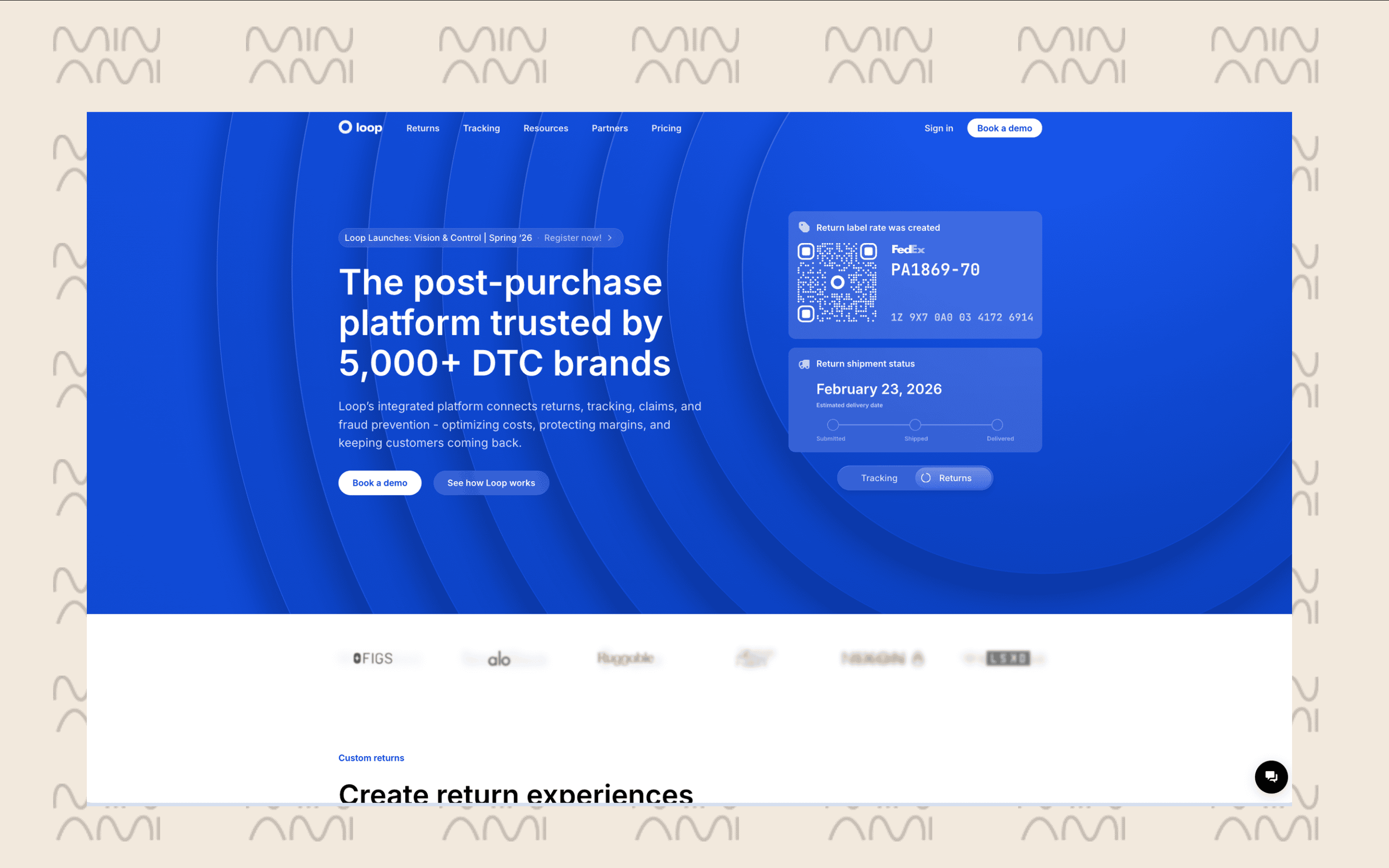
Pricing: $155 - 340/month
Loop is primarily about controlling the customer choice at the moment of return. The product focus is on steering shoppers toward exchanges or credit when it matches policy and unit economics, using guided flows and incentives.
If your problem is “refund-heavy behavior is leaking revenue,” this approach is straightforward: make the exchange path easy, and measure retention in the returns funnel.
Best for: Shopify-first brands where revenue retention (exchanges/credit) is the main KPI and the ops model stays relatively simple.
3. Optoro
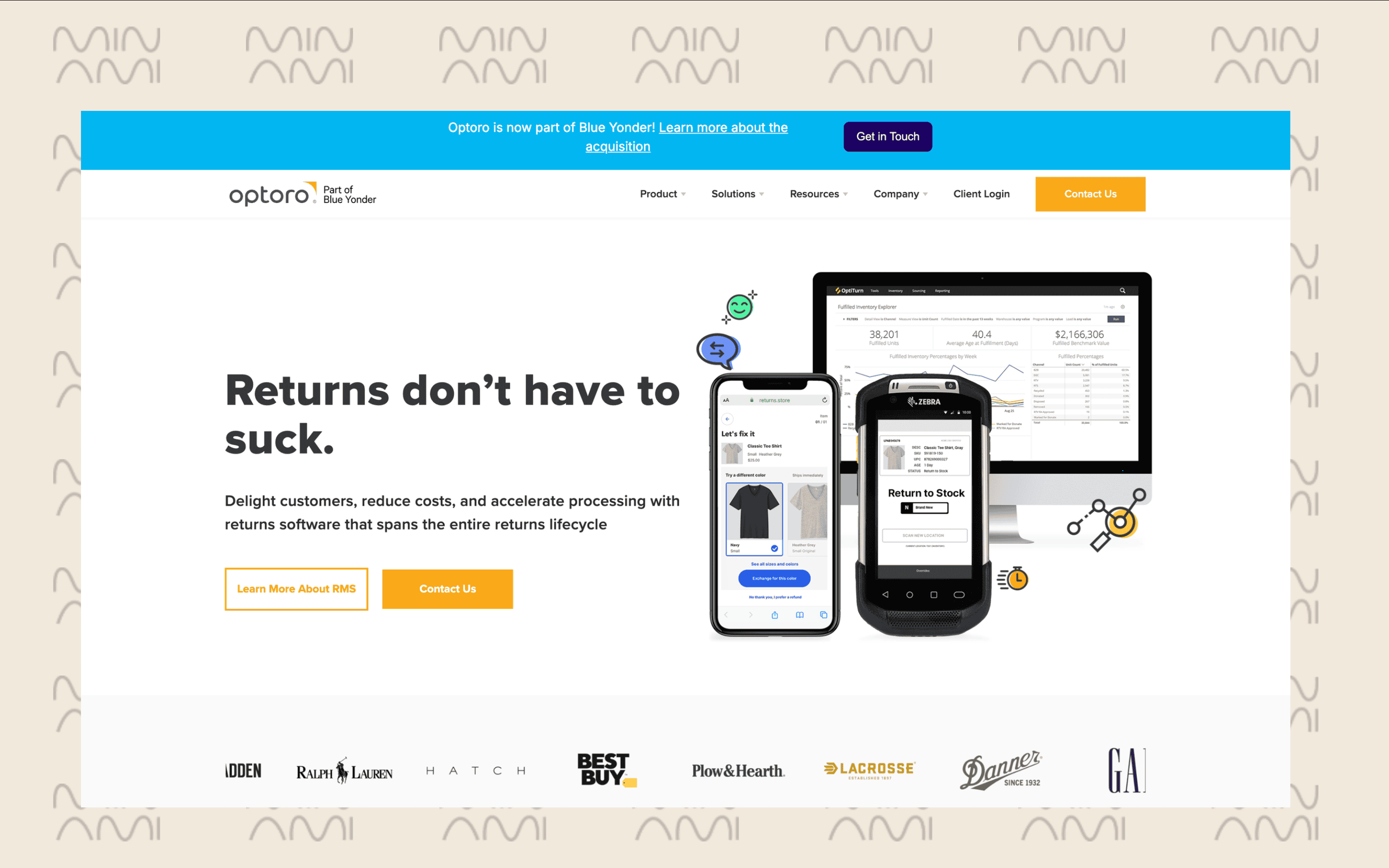
Pricing: Contact sales
Optoro’s focus is what happens after the return is initiated: processing, routing, and recovery outcomes—especially when resale, recommerce, and sustainability reporting matter.
This typically maps to orgs where returns are closely connected to warehouse execution and secondary-market channels, and where you need a controlled way to route items based on condition and recovery path.
Best for: Retailers and logistics teams that need structured returns processing and recovery routing.
4. Narvar
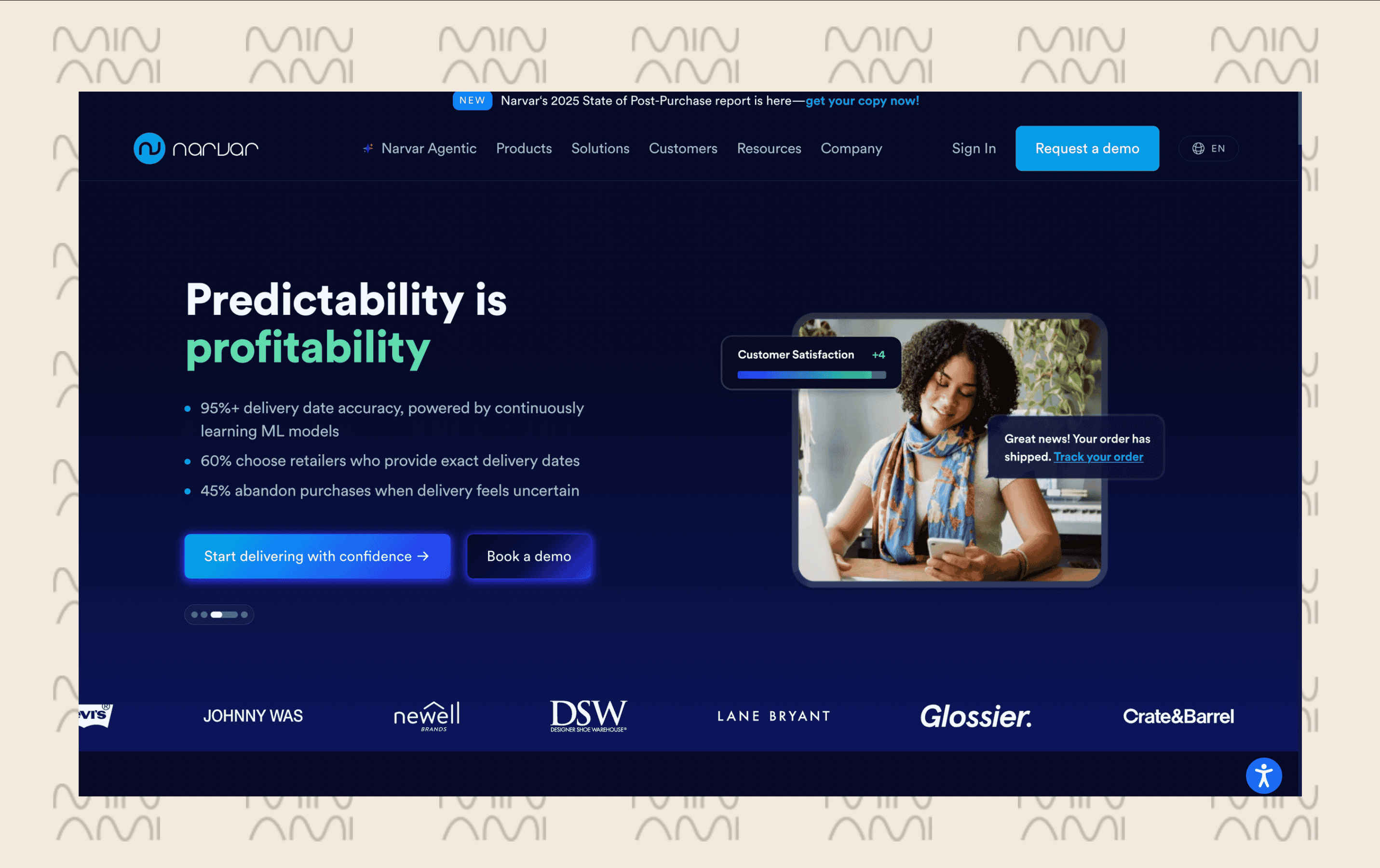
Pricing: Contact sales
Narvar’s AI angle is usually tied to delivery-date accuracy and post-purchase messaging, which indirectly affects returns by reducing “anxiety returns” and support volume.
In practice, Narvar tends to fit teams that want returns to sit inside a broader post-purchase layer (tracking, notifications, delivery promise, then returns) so customers see one consistent thread instead of separate systems.
Best for: Brands that prioritize delivery promise + tracking communication as part of post-purchase operations.
5. AfterShip Returns
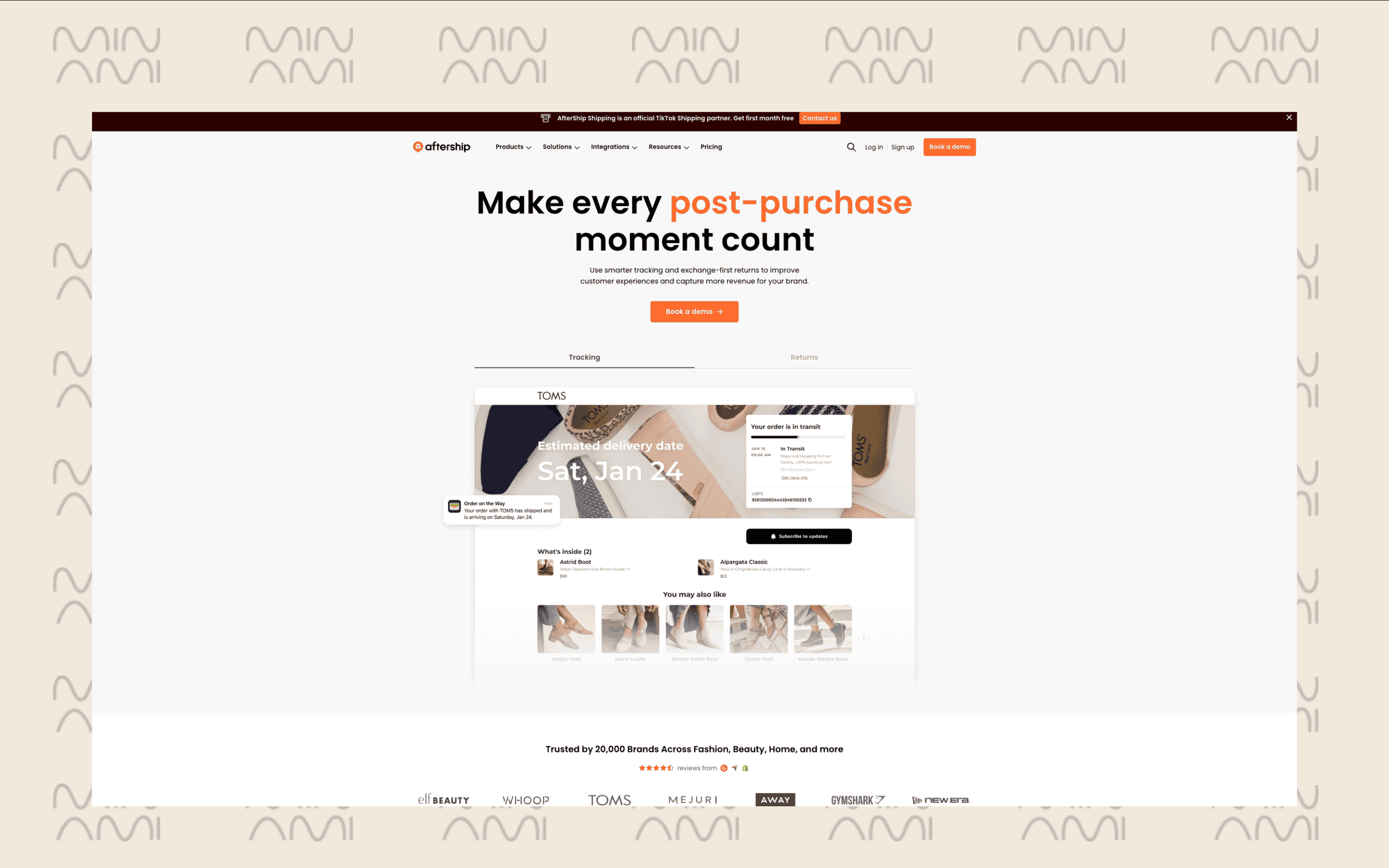
Pricing: $11 - 400/month
AfterShip’s returns module is built around a self-service portal plus internal workflows that let ops teams control what happens after a request comes in. The practical value is in routing rules (where returns go), automation (what gets approved, exchanged, or refunded based on conditions), and a returns dashboard that keeps RMAs, statuses, and exceptions in one place.
Best for: Brands that want configurable returns rules, automation, and visibility across multiple storefronts or markets.
6. HappyReturns
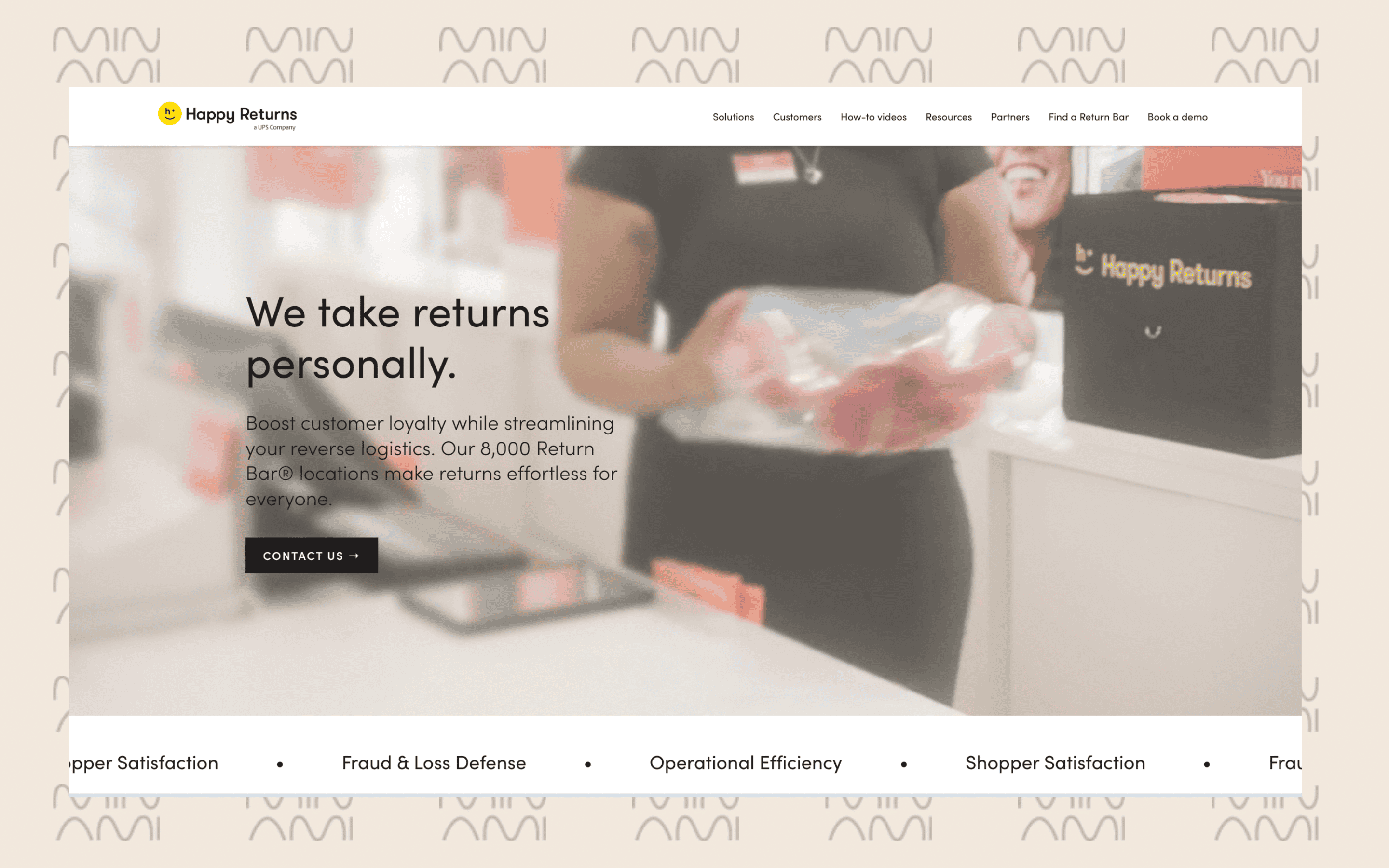
Pricing: Contact sales
Happy Returns sits at the intersection of returns software and reverse logistics execution (including its drop-off network). Their recent AI story is very specific: fraud detection using image comparison and pattern signals to flag suspicious returns for audit.
Best for: Retailers who want returns intake options (drop-off) plus controls focused on return fraud and verification.
7. ReturnLogic
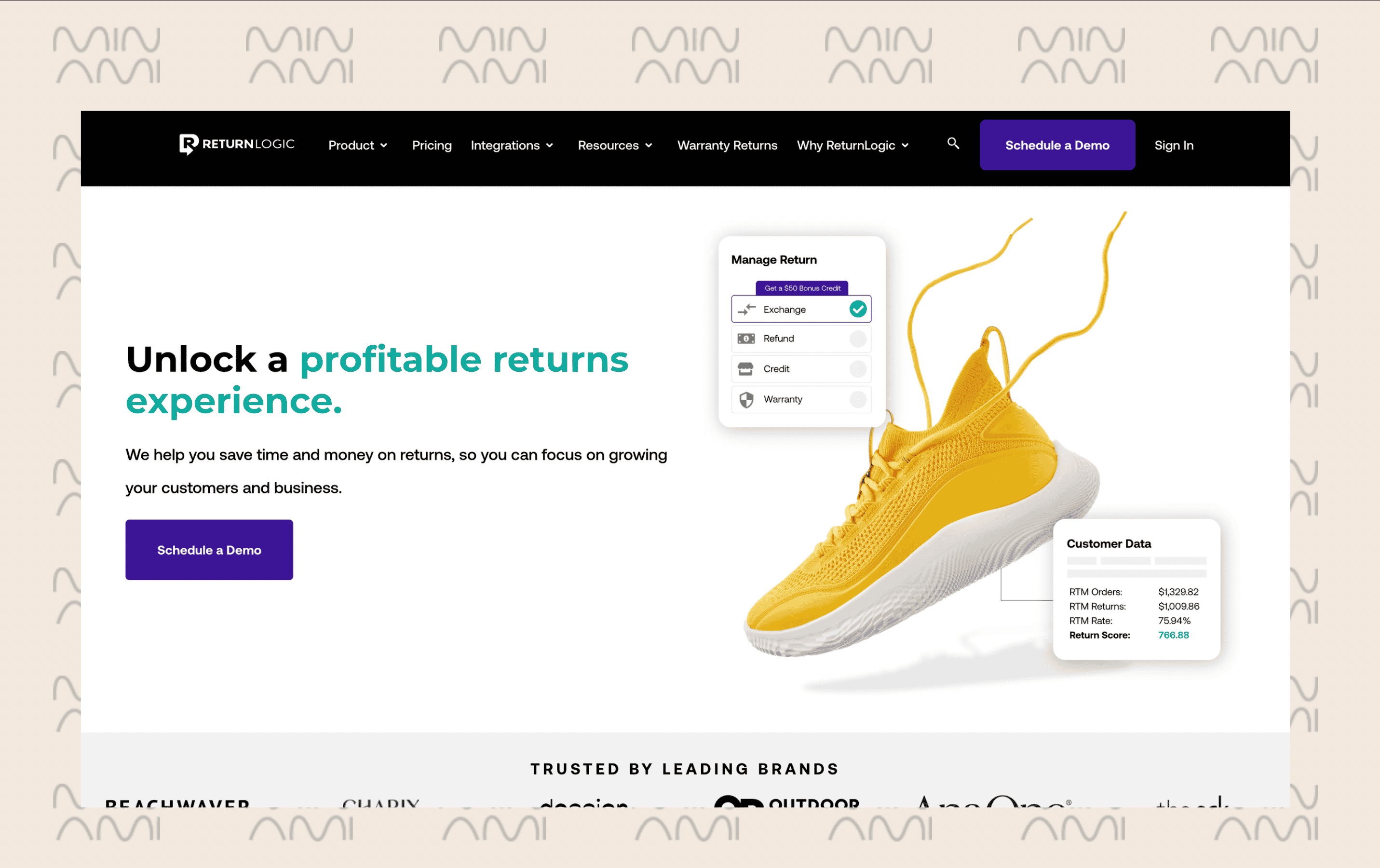
Pricing: from $3.90 - 0.25 per return
ReturnLogic positions itself around the returns portal experience plus returns analytics—so teams can see what’s driving returns and where policy or product decisions change outcomes. It’s less about one AI “feature” and more about using data to answer questions like: which SKUs drive repeat returns, which reasons correlate with high cost, and where exchanges or policy tweaks shift the mix
Best for: Brands that want returns reporting and insight to guide policy, product, and ops decisions.
8. Eesel AI
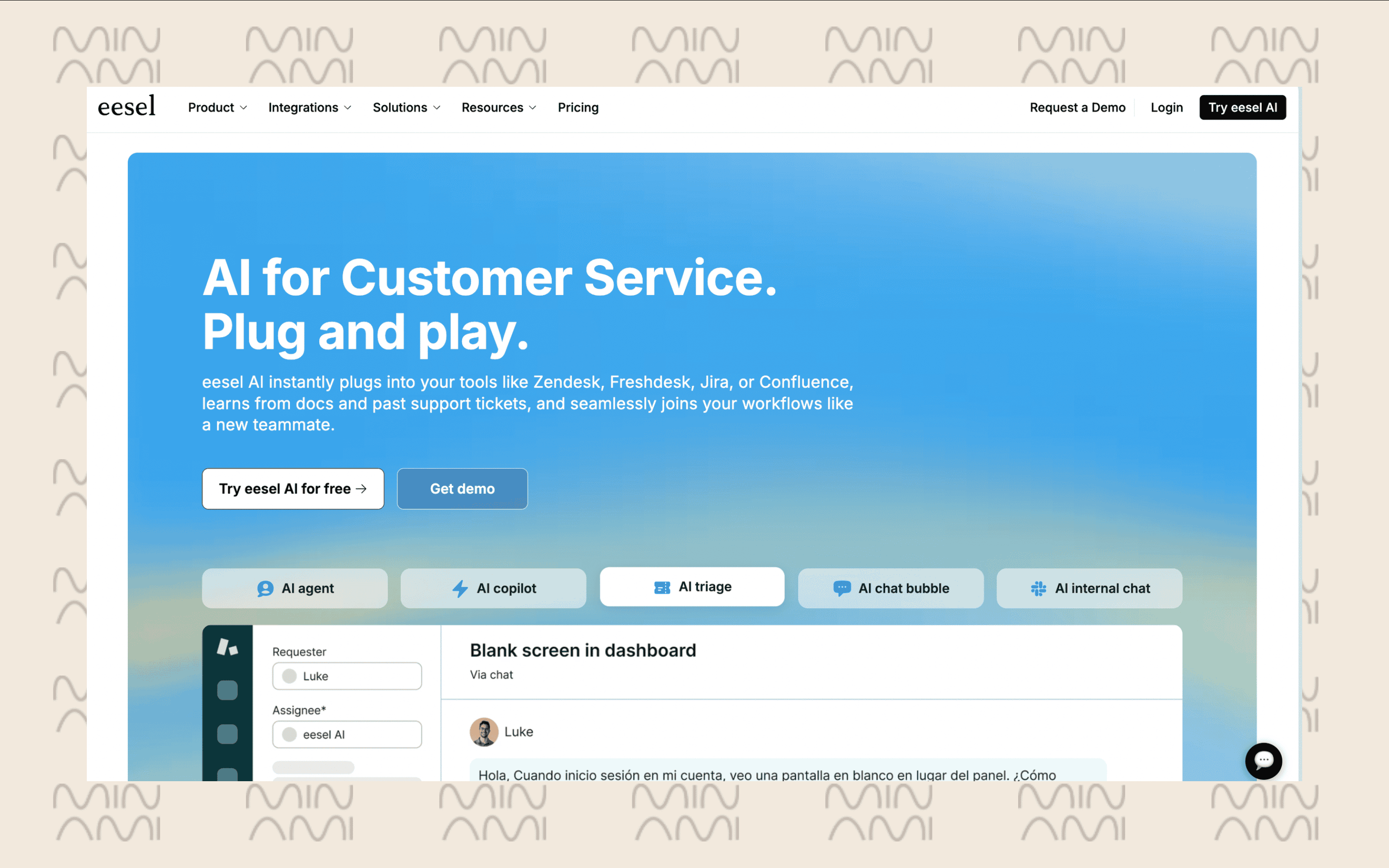
Pricing: $0.40 per chat or ticket handled.
eesel AI is a no-code AI platform that connects with your existing tech stack and helps automate chats and tickets across different support tools. It learns from past tickets, understands your support context, and can take actions inside the systems your team already uses.
The platform also uses automated evaluation and iteration, so teams can keep improving
AI performance over time without building complex workflows manually.
Best for: Support teams that want a no-code AI platform that learns from past tickets, connects with their tech stack, and automates support conversations and actions.
Conclusion: AI agent vs. traditional return software
Choosing an AI-powered returns management platform comes down to one question: do you want a tool that helps you work, or a “digital employee” that does the work for you? Most legacy systems focus on logistics and basic automation to help you optimize existing tasks. They are great for refining a manual system, but you’ll still find yourself babysitting tickets and overseeing the day-to-day processing.
If you are ready for a true digital transformation, you must decide between “AI-enhanced” software and a dedicated AI agent.
For those seeking a native system that takes full ownership of workflows—executing decisions and resolving issues autonomously—Minami AI is the only pure-play agent on the market. It doesn’t just show you the data; it handles the entire lifecycle so you can finally step away from the operational mess.
Frequently Asked Questions
Have more questions? Fill this form and our team will be in touch to answer them!
-
Can it actually lower my return rate?
- Definitely. The system analyzes data to spot why specific items keep coming back. By helping you optimize product info and suggesting exchanges over refunds, it keeps more revenue inside your business.
-
Why go with a "Truly Autonomous AI Agent"?
- It’s about total freedom. With a system like Minami AI, you stop "babysitting tickets." The agent handles the logistics, talks to carriers, and closes the loop on its own. It’s the difference between using a tool and hiring a 24/7 expert.
-
Is it safe for high-ticket items?
- It’s actually safer than manual checks. The system flags fraud patterns and suspicious behavior during processing before the package even hits your warehouse. If something looks off, the AI stops it instantly.
-
Is it difficult to switch to an AI-powered platform?
- Not at all—it’s actually a total relief. You don’t need to rebuild your tech stack from scratch; this system is designed to plug into your existing setup and start cleaning up the mess immediately.
Get Started
Minami is available with zero setup
No integrations. No workflows. No dev time. Just power up Minami and let your AI agent cut refunds, manual labor, and losses